How salvage yards calculate the payout for an old car
Selling an end-of-life vehicle comes down to two distinct valuation methods: scrap metal weight and functional salvage parts. When you contact buyers to junk an automobile, the baseline offer is almost always anchored to current market prices for shredded steel, mixed iron, and non-ferrous metals like aluminum and copper. A standard family sedan might contain around two to three thousand pounds of steel, meaning local mill rates directly influence what a dismantler is willing to hand you at the gate.
Beyond raw tonnage, vehicles that still hold running engines, intact transmissions, or pristine body panels command an additional margin. Professional recyclers frequently review their computerized inventories to see if your specific make and model fills an immediate demand for used body panels, starters, or glass. If mechanics regularly buy subframes or steering racks from your generation of truck, the buyer can justify offering more than strictly weight-based recycling rates.
Components such as factory catalytic converters and undamaged aluminum wheels can also increase the bottom line, though regulations around scrap catalytic converters have tightened nationwide. Buyers adjust their quotes depending on whether key powertrain components remain bolted in place or have already been scavenged. If your car is missing its radiator, battery, or catalytic converter, you should anticipate a deduction from standard baseline offers.
Sorting through buyers for quick cash offers
Finding reliable businesses that pay immediate funds for older automobiles requires knowing the difference between direct yards and digital brokers. National lead aggregators advertise heavily online, claiming to purchase disabled vehicles anywhere in the country, but they routinely auction your details or dispatch third-party flatbed drivers who shave costs on site. Dealing directly with established local dismantlers often yields a smoother transaction because you cut out the broker middleman.
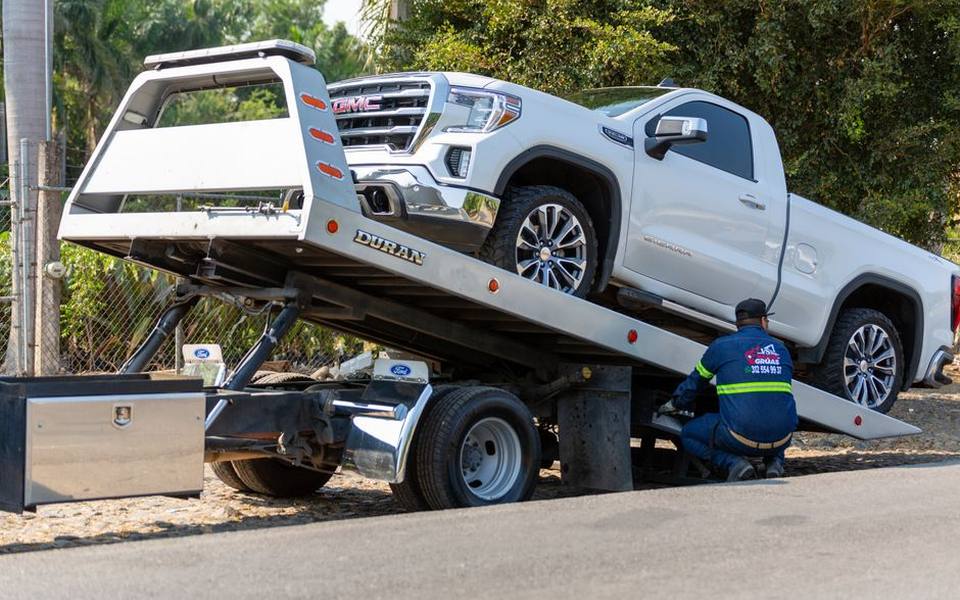
Locating verified facilities is straightforward when you look through regional auto recycler networks. Across top automotive markets, there are over 5,200 specialized salvage yards operating, and reaching out to dedicated junkyards that buy cars allows you to speak directly with the dispatchers setting the actual quotes. These shops inspect the vehicle on the ground, manage their own transport, and hand over a check or cash on pickup without hidden brokering deductions.
When calling several buyers for competitive quotes, describe the vehicle's condition transparently. Mention whether it rolls freely, steers, holds air in the tires, and whether the keys and title are present. A direct recycler will offer a firm price that remains valid for several days, giving you enough time to gather multiple estimates and choose the highest net payout for your vehicle.
The truth about cash for clunkers incentives
Many car owners still remember the federal Car Allowance Rebate System, commonly known as Cash for Clunkers, which was a brief economic program that concluded over a decade ago. Today, no widespread national government initiative exists that pays rebates simply for trading in an inefficient daily driver. When modern salvage outfits advertise using clunker phrasing, they are strictly referring to private scrap purchases rather than government-funded subsidies.
With that said, certain regions and metropolitan air districts sponsor localized clean-vehicle replacement or vehicle retirement grants. For instance, parts of the West Coast and specific urban counties occasionally offer small incentive payments to residents who voluntarily retire high-emissions vehicles that currently pass smog checks. These state-level clean-air initiatives have strict eligibility criteria, often requiring verified vehicle registration history and proof that the engine still runs under its own power.
If your vehicle does not meet local clean-air retirement guidelines, traditional auto recyclers remain your best path toward turning an immobile vehicle into liquid funds. Private scrap purchasers buy vehicles regardless of whether they pass an emissions test, making scrap yards the most reliable solution for blown-engine sedans, collision-damaged pickups, and rust-eaten SUVs that have run their course.
How vehicle weight and metal content shape scrap offers
When a vehicle reaches the point where no repair can justify its street value, its weight becomes its most valuable feature. Heavy-duty pickup trucks and full-size body-on-frame sport utility vehicles consistently bring higher scrap payouts simply because they carry four to six thousand pounds of industrial steel. Compact sedans and subcompact economy hatchbacks weigh substantially less, which naturally reflects in a smaller check at the scale.
Non-ferrous materials scattered throughout the chassis also move the needle. A vehicle with an aluminum block, cast aluminum suspension arms, an aluminum hood, or original factory alloy wheels provides recyclers with metal that trades at higher prices per pound than standard stamped sheet metal. Recyclers consult current trade indices before pricing incoming stock at scrap metal yards & recycling centers, meaning quotes will shift across seasons as industrial steel and aluminum commodity values rise or drop.
To get an accurate payout, you need to understand that the weight on your driver's door placard indicates gross vehicle weight rating, which includes maximum cargo and passengers. Payouts are calculated on actual curb weight, which is the bare vehicle with standard fluids. Stripping heavy aftermarket accessories or leaving half a trunk of junk will not trick the scale, as facilities deduct for non-metallic trash or wet waste left inside.
Navigating state title requirements and paperwork hurdles
Selling any automotive property typically requires a clean, unencumbered certificate of title that matches the seller's government-issued identification. Salvage operators are strictly governed by state statutes designed to eliminate auto theft and the distribution of stolen parts. In almost all circumstances, signing over the title cleanly on the seller line—without erasures, crossed-out signatures, or incorrect dates—is the most straightforward route to getting paid.
If you have misplaced your vehicle's physical paper document, obtaining a replacement through your local motor vehicle agency is generally the fastest fix. Most states allow registered owners to apply for a duplicate certificate for a small administrative fee, which often arrives by mail within a few weeks or can be issued same-day at regional registry hubs. Having this title in hand dramatically expands the pool of recyclers who can legally buy your vehicle.
In cases where the title cannot be found, some jurisdictions allow older vehicles to be sold for scrap using alternative documentation. Certain states maintain an age cutoff, often ten to twenty-five years, where a dismantler can accept an original bill of sale, current registration, and an official state affidavit of ownership in place of a title. Recyclers in these jurisdictions run the vehicle identification number through law enforcement databases to ensure no active liens or theft reports exist before processing the vehicle.
Arranging vehicle transport without eroding your payout
A common pitfall when selling a non-running clunker is failing to account for hauling logistics. If a vehicle cannot safely operate on the highway due to mechanical failure, missing tags, flat tires, or body damage, it must travel on a flatbed or wheel-lift tow truck. If you hire a generic local towing outfit out of pocket, the towing bill can easily consume half or more of your vehicle's residual scrap value.
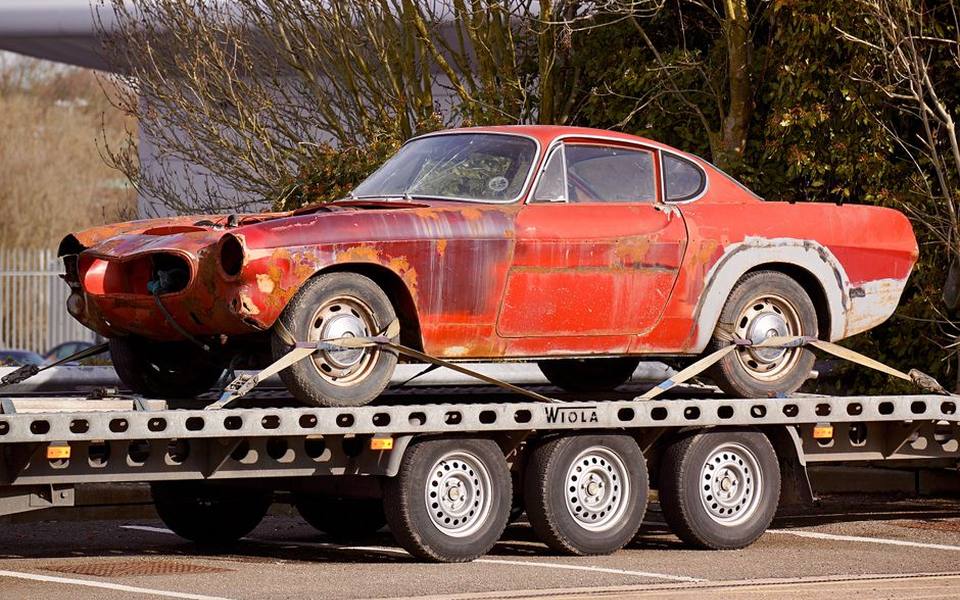
Reputable vehicle buyers often factor logistics directly into their operating structure, providing dedicated junk car removal with free towing as part of their standard quote. When a buyer includes towing in their purchase agreement, the tow driver hands you the full agreed-upon amount when loading the vehicle, preventing unexpected charges from chipping away at your net proceeds.
Always confirm towing terms clearly before agreeing to release the car. Verify whether the pickup address has clearance for an commercial wrecker, especially if the vehicle is parked in an underground structure, a narrow residential alley, or deep in an unpaved field. Communicating these accessibility details upfront keeps the driver from assessing unforeseen extraction fees when they arrive on site.
Steps to take before the tow truck arrives
Before you hand over your keys and sign the transfer documents, perform a meticulous sweep of the passenger cabin, trunk, and glove compartment. Over years of ownership, essential items like toll transponders, prescription sunglasses, tool kits, and paperwork containing personal identity information tend to slide beneath seats or get tucked into door pockets. Once a vehicle enters a salvage yard, retrieving forgotten items can be difficult or outright impossible.
Next, remove both front and rear license plates using a standard screwdriver. In most states, license plates belong to the registered owner rather than the vehicle itself, and leaving them attached can open you up to administrative headaches, parking violations, or toll charges if the car is transported across toll corridors. Some state agencies require you to physically surrender these plates before they cancel vehicle registration records.
Finally, make a quick pass to drain or remove non-automotive items you might have thrown in the back. Do not treat an old clunker as a trash dumpster for household debris or old tires; yards face environmental disposal fees for solid waste and will routinely discount your cash offer if the interior is stuffed with trash, paints, or construction discards.
Deciding between full-vehicle scrap and auto part recycling
If you own an enthusiast vehicle, an older work truck, or a common model with sought-after mechanical parts, you might wonder whether dismantling it yourself yields higher revenue. While unbolting an alternator, starter, or headlight assembly to sell online can generate cash, it leaves behind an immobile chassis that regular scrap yards may refuse to haul or will pay significantly less to take off your hands.
For owners with common vehicles that still hold good parts, working with u-pull-it junkyards or full-service dismantling facilities is often the practical balance. Self-service yards set vehicles out in organized rows where retail customers supply their own hand tools to remove alternators, doors, and axles. These yards require whole vehicles with major assemblies present, offering a reasonable lump-sum payment while handling the fluid draining and processing themselves.
Attempting to strip every high-dollar component in a residential driveway often results in neighborhood code citations, environmental spills, and a stripped hulk that cannot be loaded onto a standard flatbed. Unless you run a licensed dismantling operation, selling the complete vehicle to established local salvage yards and auto recyclers is the safest, fastest way to extract fair value without managing weeks of online classified listings.
Closing the transaction and protecting against last-minute discounts
When the buyer or contracted driver arrives at your property, maintain a businesslike approach to finalize the exchange. The driver will quickly walk around the car, confirm the vehicle identification number against the title or paperwork, check that the catalytic converter is attached, and verify that major drivetrain elements are present as described over the phone.

Occasionally, less scrupulous haulers attempt to renegotiate the agreed payout upon arrival, claiming the car has more cosmetic wear or rust than they anticipated. Stand firm on your initial quote if your phone description was accurate. Rust and body dents are standard expectations for salvage-grade automobiles; if the driver refuses to honor the agreed-upon figure, decline the tow and call another buyer rather than accepting an unearned price drop on your driveway.
Never sign over title paperwork until funds are physically in your hands or clearly transferred through a verified company check. Most professional auto dismantlers pay via cash on the spot or issue an official company draft that can be cashed immediately at a commercial bank. Once payment changes hands, ensure the driver gives you a signed receipt containing the salvage facility's business name and contact information.
Finalizing registry records and cancelling your policy
The deal does not completely conclude when the flatbed rolls down your street. To fully protect yourself from subsequent liability, you must officially notify your state motor vehicle department that ownership has transferred. Most jurisdictions provide a simple online form, often called a Notice of Transfer and Release of Liability, which records the exact date, time, and buyer name associated with the transaction.
Submitting this notice protects you if the salvage company moves the chassis through public roadways or if clerical errors arise during dismantling. Without an official liability release on file, municipal parking authorities or toll networks could conceivably mail automated tickets to your address if the vehicle identification number remains linked to your profile in the central registry system.
After documenting the transfer with the state, contact your auto insurance carrier to cancel the active policy on the junked vehicle. Provide your insurer with a copy of the bill of sale or salvage receipt to document the vehicle departure date. Cancelling your policy promptly ensures you receive any prorated refund on prepaid premiums and prevents you from paying ongoing coverage on an automobile you no longer possess.
Published 2026-09-22 · reviewed with each rebuild, last October 2026.
Find junkyards & auto parts stores near you
The directory lists 48,061 junkyards & auto parts stores by state and city — pick your state or use the “Near me” button in the header.
More guides
-
 Money
MoneyGuide to Scrap Metal Prices and Recycling Rates
-
 Money
MoneyScrap Copper and Brass Pricing Guide: Grades, Cables, and Tubing
-
 Money
MoneyScrap Aluminum Value Guide: Rims, Cans, and Sheet Metal Prices
-
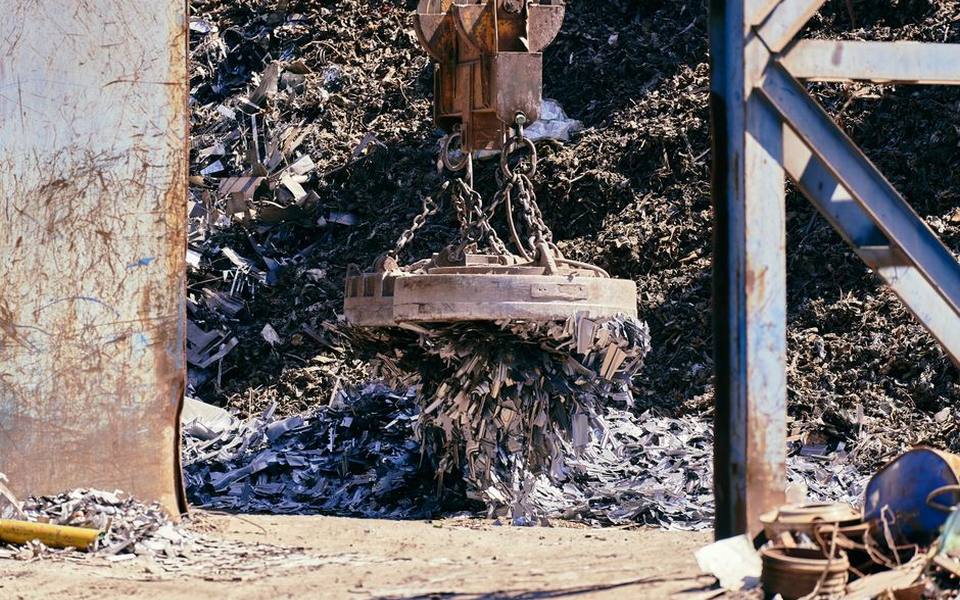 Money
MoneySpecialty Scrap Metal Guide: Stainless Steel, Cast Iron, and Lead
-
 Money
MoneyHow Much Do Junkyards Pay for Junk Cars? Complete Valuation Guide
-
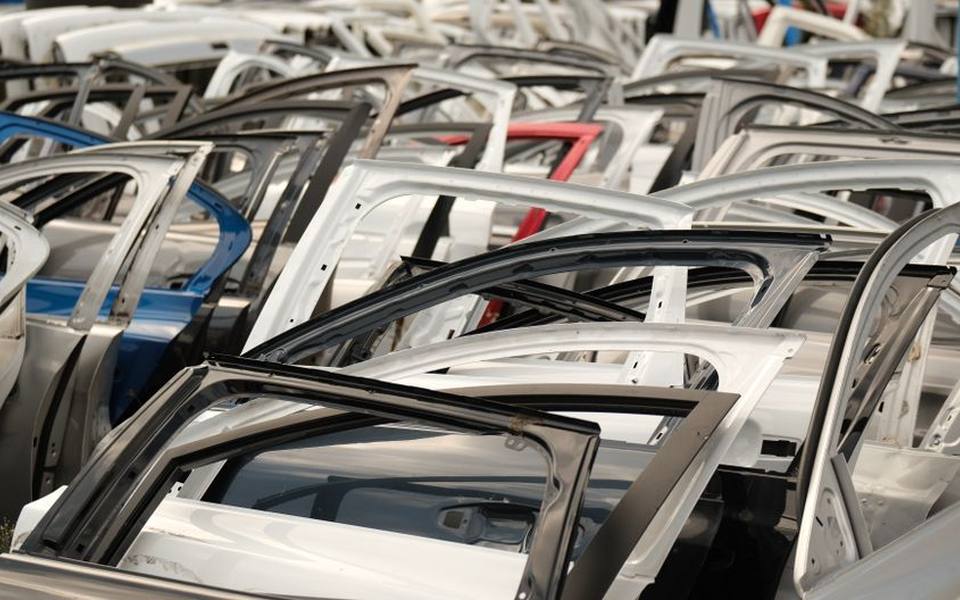 Buying
Buying Used vs Rebuilt Vehicle Transmissions and Engines from Junkyards
-
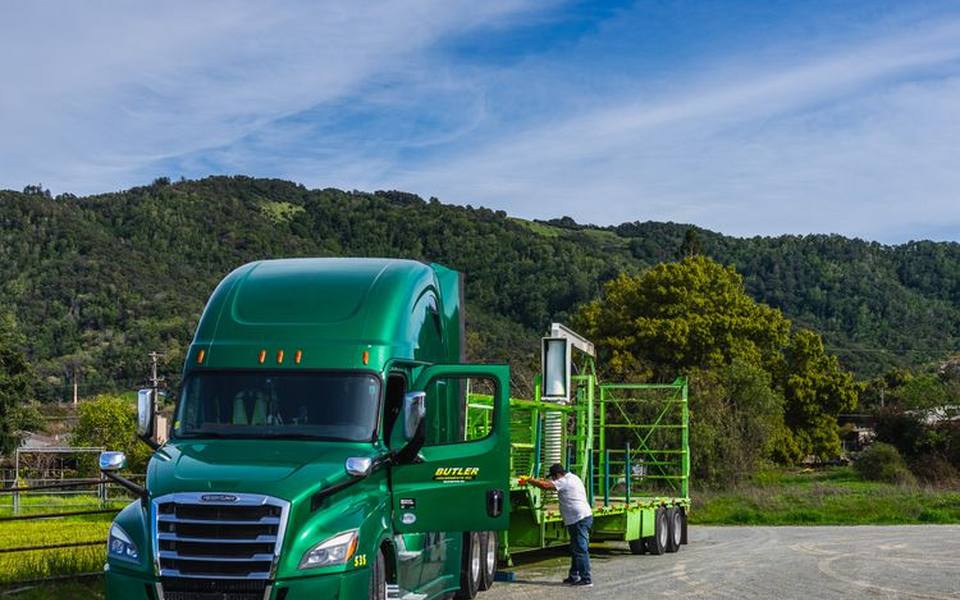 Money
MoneyTow Truck Service Costs and Junkyard Haul-Away Fees Explained
-
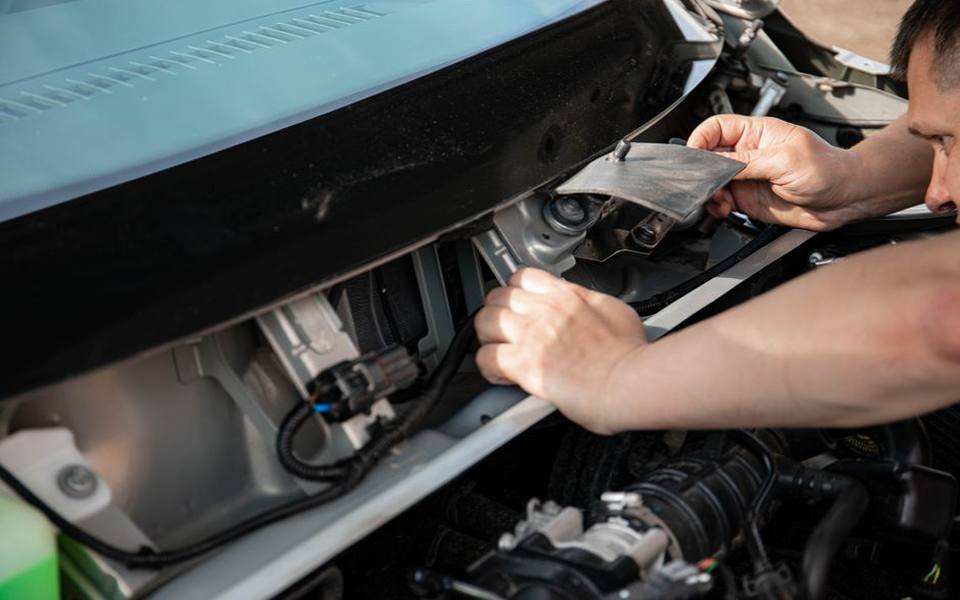 Buying
Self-Service Junkyard Parts Guide: Price Lists and Yard Tips
-
 Service
Emergency & Heavy-Duty Towing Services: Costs, Flatbeds, and Towing Companies
-
 Buying
How to Navigate Auto Salvage Yards, Pick-Your-Part Lots, and Online Inventories
-
 Buying
Complete Buying Guide to Used Tires and Rims
-
 Buying
How to Buy Cars at Police Impound and Tow Lot Auctions
-
 Money
MoneyScrap Steel and Scrap Metal Prices Guide: Value per Pound and Ton
-
 Buying
Insurance & Salvage Auto Auctions: Copart, IAAI, and Wrecked Car Buying
-
 Money
MoneyDonating a Vehicle to Charity: Tax Deductions, IRS Rules, and Avoiding Scams