How modern automotive salvage yards actually operate
An auto salvage yard is a commercial facility that purchases end-of-life, wrecked, or mechanically totaled vehicles, dismantles them, and sells their reusable components to the public and repair shops. Instead of letting damaged vehicles rust away in private driveways, these yards act as regional hubs for industrial recycling and automotive reuse. Once a vehicle arrives at the gate, staff catalog its vehicle identification number, record its trim specifications, and drain fluids like motor oil, coolant, and refrigerants to meet environmental safety mandates.
The business model splits into two broad categories: self-service yards, often called pull-your-own-parts or pick-and-pull yards, and full-service auto recyclers. In a self-service yard, you pay a nominal gate admission fee, navigate the gravel rows with your own toolbox, and unbolt the needed components directly from the donor vehicle. Full-service facilities, on the other hand, employ internal dismantling crews who pull the parts, inspect them, clean them, and store them on indoor warehouse racking ready for pickup or freight delivery.
Understanding these differences helps set realistic expectations regarding price, labor, and warranty protection. Self-service facilities typically charge significantly less because you provide all the physical effort to wrench the item free. Full-service operations cost somewhat more, yet they often provide short-term exchange warranties and save you from spending a Saturday afternoon lying on muddy gravel under a rusty suspension.
Preparing for a day at a self-service wrecking lot
Visiting a self-service auto wrecker requires practical preparation, durable gear, and the correct mechanical tools. Most yards prohibit open-toed shoes, sandals, or loose clothing due to broken glass, jagged sheet metal, and loose gravel across the premises. Heavy work boots with puncture-resistant soles, durable work gloves, and protective eyewear are non-negotiable essentials. Depending on the weather, bringing sun protection or waterproof layers will keep a long teardown session manageable.
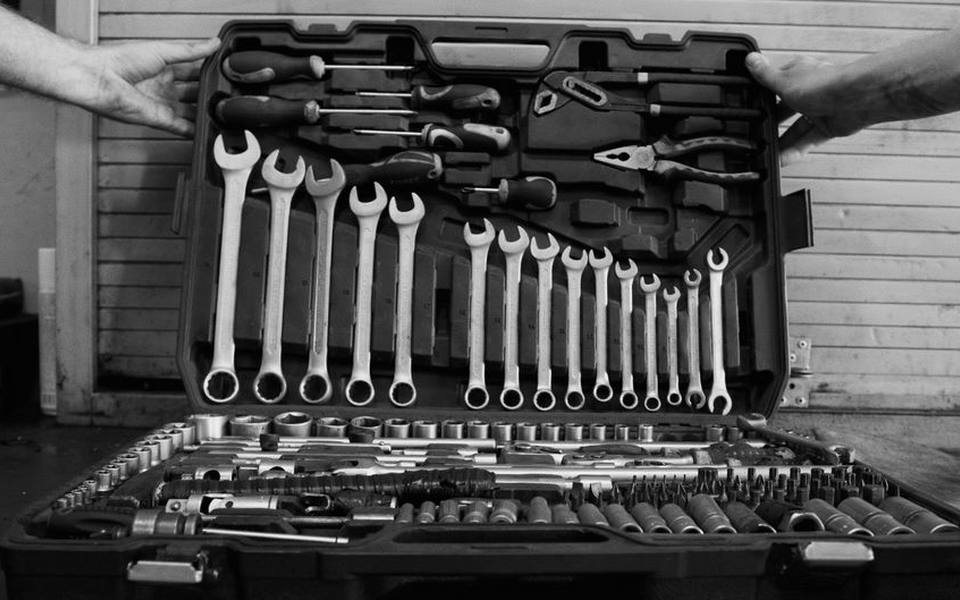
Because these yards do not provide tool rentals, you must carry everything required to dismantle the components yourself. A standard six-point metric and standard socket set, ratchet extensions, breaker bars, penetrating fluid, and a set of combination wrenches handle most jobs. Cordless battery-powered impact drivers or reciprocating saws make quick work of stubborn exhaust hangers or rusted bracket bolts, though you must verify the yard's policy regarding motorized cutting tools before entering. Torches and open flames are almost universally prohibited on salvage lots to prevent fuel tank fires.
You should also bring transport aids like a heavy-duty wagon, folding hand truck, or durable five-gallon buckets to haul your haul back to the checkout counter. Walking half a mile across an unpaved lot while carrying an iron cylinder head or a pair of brake rotors quickly drains your stamina. Organizing your sockets and fasteners in designated magnetic trays also prevents you from losing expensive personal hand tools in the tall weeds.
Searching salvage inventories online before leaving home
Driving aimlessly from lot to lot hoping to stumble across your exact vehicle make and model is an outdated approach. Today, many regional recyclers provide a searchable online parts inventory that lets you verify newly arrived donor cars before packing your tool chest. These digital databases frequently display the vehicle identification number, arrival date, exterior color, engine displacement, and the specific row or bay where the vehicle sits on the property.
When you search online databases, broaden your criteria to include shared automotive platforms and mechanical sibling models. Major manufacturers frequently share transmissions, alternators, sensors, and steering knuckles across multiple model lines and model years. For instance, a part you need for an entry-level commuter sedan might be mechanically identical to a part fitted to an upscale crossover from the same parent corporation. Researching interchange numbers ahead of time prevents you from overlooking perfectly compatible donor shells sitting unnoticed in the rows.
Keep in mind that online inventory systems track the vehicle's arrival on the lot, not whether a specific sub-assembly remains bolted to the chassis. If a desirable pickup truck arrived two weeks ago, its catalytic converter, tailgate, and steering rack might already have been harvested by early-morning pickers. For rare or fast-moving components, browsing salvage yards with online parts inventory gives you an edge by highlighting fresh arrivals within forty-eight hours of vehicle processing.
Evaluating structural, mechanical, and cosmetic salvage parts
Assessing the physical condition of a donor part while it sits in the salvage yard demands careful visual and tactile inspection. If you are shopping for body panels such as doors, fenders, or hoods, inspect the seams for signs of previous collision repair, body filler, or misaligned factory spot welds. Inspecting the donor car's crash points tells the story: if a car sustained a massive side-impact t-bone, the opposite-side suspension and front drivetrain components may have survived entirely unharmed.
When evaluating mechanical assemblies like alternators, starter motors, or power steering pumps, spin pulleys by hand to detect grinding bearings, bent shafts, or binding internals. Check electrical connectors for corrosion, heat discoloration, or cracked plastic clips that could cause intermittent wiring faults once installed in your daily driver. Pull the dipstick or oil fill cap on engines; milky fluid suggests a blown head gasket or cracked engine block, while excessive sludge indicates poor maintenance history from the previous owner.
Interior components like dashboards, climate control modules, and seat tracks should be tested for manual movement and latching capability before unbolting. Sun damage frequently turns plastic trim brittle, especially in desert climates. Using plastic pry tools rather than steel screwdrivers prevents cracking rare dash bezels that you intend to swap into your own vehicle restoration project.
Navigating regional differences and local yard operations
Salvage operations vary significantly depending on geography, climate, and regional demographics. In arid southwestern regions, older body panels and frames often remain remarkably free of structural rust, making those yards destinations for vintage truck and classic car restorers. In contrast, yards located across the rust belt often yield pristine interior pieces and electronics, while underbody components may suffer from heavy road-salt oxidation.
Metropolitan regions like Denver or suburban hubs across the Midwest support large networks of specialized and general auto dismantlers. Exploring local salvage yards and auto recyclers reveals that facilities near industrial centers or farming belts often carry higher concentrations of heavy-duty commercial trucks, vans, and utility vehicles than inner-city automotive yards. Understanding these geographic specialties saves you from searching for heavy diesel equipment in a lot populated primarily by subcompact commuter hatchbacks.
Admission policies and local pricing structures also adapt to regional regulations. Some municipalities require salvage businesses to record government-issued photo identification from every visitor at the front gate to deter metal theft. Additionally, environmental ordinances in certain mountain or coastal regions enforce strict fluid-capture protocols, meaning you will rarely find donor engines containing residual oil or transmission fluids on open display.
Deciding between buying used salvage parts or remanufactured units
Not every component on a damaged vehicle makes a sensible candidate for salvage extraction. Sheet metal, glass, manual window regulators, alloy wheels, mirrors, and interior trim pieces are ideal junkyard purchases because they suffer negligible wear from age alone and cost a fraction of factory dealership replacements. Installing an original factory steel door pulled from an auto wrecker yard also ensures superior rust protection and factory gap tolerances compared to cheap aftermarket reproduction sheet metal.
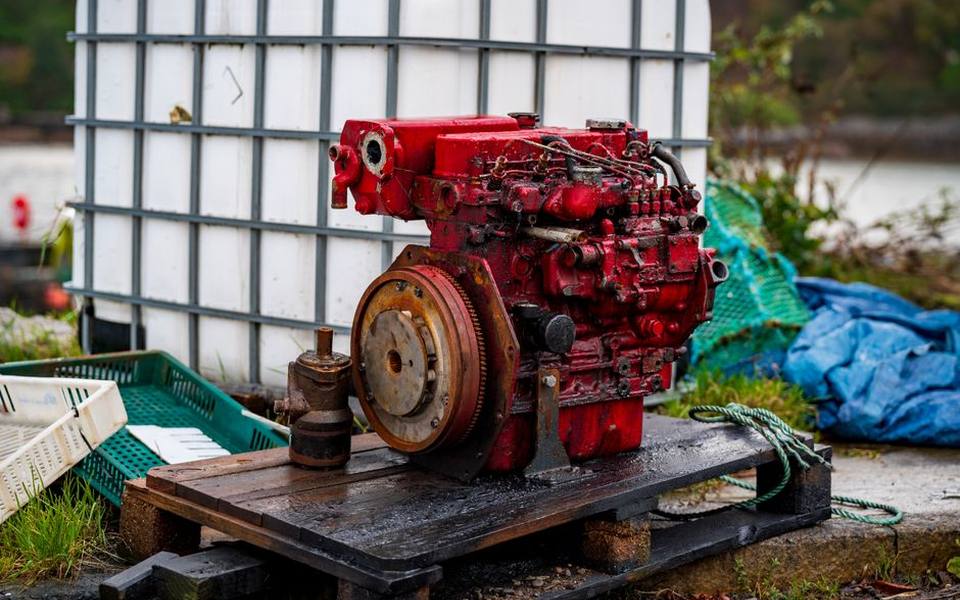
Conversely, high-wear suspension components and internal brake hardware require greater discretion. Items like brake pads, rubber brake lines, ball joints, wheel bearings, and clutch pressure plates are generally best purchased brand-new due to safety considerations and labor duplication. While you can safely buy used steering knuckles, control arms, and anti-roll bars, you should budget for installing fresh bushings and ball joints before bolting those assemblies onto your chassis.
For major powertrain units like engines and automatic transmissions, comparing a full-service auto recycler's tested assembly against a remanufactured crate unit depends on your mechanical budget and timeline. A tested salvage engine pulled from a low-mileage rollover vehicle offers an authentic original-equipment engine at substantial savings, provided the yard offers a clear thirty-day exchange guarantee against internal rod knocks or cracked castings.
Essential yard etiquette, rules, and checkout procedures
Every commercial wrecker yard operates under strict safety and liability rules intended to protect both customers and yard staff. Vehicles on the yard floor are typically raised on welded steel wheels, heavy jack stands, or concrete blocks to provide clearance underneath. Never attempt to kick, jack up, or alter these support stands. Using your own hydraulic jack inside the yard is universally banned because unstable dirt or gravel surfaces create severe tipping and crush hazards.
Respect fellow pickers and the equipment remaining in the yard rows. If you need to access a component hidden behind an adjacent bracket, unbolt it neatly rather than smashing surrounding parts or severing wire harnesses with bolt cutters. Destroying an intact wiring harness or slicing an unneeded radiator hose ruins valuable components for the next mechanic who might be searching for that exact wiring pigtail. Keep parts you decide not to purchase inside or near the original donor vehicle rather than scattering them across common walkways.
When you bring your harvested components to the checkout register, be upfront about every small bracket, sensor, relay, or fastener in your bucket. Most yards price items according to a standard printed menu rather than custom negotiating at the counter. Having your parts organized cleanly on the counter expedites checkout and ensures you pay fair, standardized prices without misunderstandings regarding bundled parts assemblies.
Selling a damaged vehicle to a salvage or wrecking yard
Auto salvage facilities rely on a steady supply of incoming vehicles to refresh their inventory rows, purchasing vehicles directly from insurance auctions, private owners, towing companies, and municipal impound lots. If you possess a non-running, heavily damaged, or mechanically compromised vehicle that costs more to repair than its actual market valuation, selling it directly to a wrecker offers immediate liquidity and clears private driveway space.
To sell an end-of-life vehicle, you typically need to present a clean title in your name free of active bank liens, although rules regarding title requirements for very old vehicles vary in most states. The purchase offer extended by the yard depends on the vehicle's weight in scrap steel, catalytic converter value, engine displacement, and the current market demand for its specific replacement parts. When calling local businesses, reviewing auto salvage and junk yards near you allows you to gather multiple competitive purchase quotes over the phone in a single morning.
Always clarify logistics before accepting a purchase offer. Confirm whether the quoting facility includes free flatbed towing or deducts a haul fee from your agreed-upon cash disbursement. Before the tow truck driver arrives to load the car, remove all personal belongings, clean out the glovebox, take off your toll transponders, and remove your state license plates to return them to your regional motor vehicle agency according to local statutory guidelines.
Making the most of self-service auto recycling
Treating automotive salvage picking as a systematic skill transforms vehicle maintenance from an expensive chore into an affordable, hands-on craft. By learning how to cross-reference factory part numbers, verifying donor arrivals through digital lot directories, and inspecting used components with a critical eye, you can maintain reliable transportation on a modest budget. The modern salvage industry keeps millions of tons of reusable steel, aluminum, and functioning automotive assemblies out of landfills every year, providing a vital service to home mechanics and professional repairers alike.
Whether you are restoring a vintage pickup, replacing a cracked taillight assembly on a daily driver, or harvesting suspension components for a track car build, taking the time to prepare your tools, follow safety rules, and understand inventory cycles pays consistent dividends. Approach the yard with patience, realistic expectations, and the proper protective equipment, and you will consistently walk away with reliable parts at a fraction of retail prices.
Published 2026-09-22 · reviewed with each rebuild, last October 2026.
Find junkyards & auto parts stores near you
The directory lists 48,061 junkyards & auto parts stores by state and city — pick your state or use the “Near me” button in the header.
More guides
-
 Money
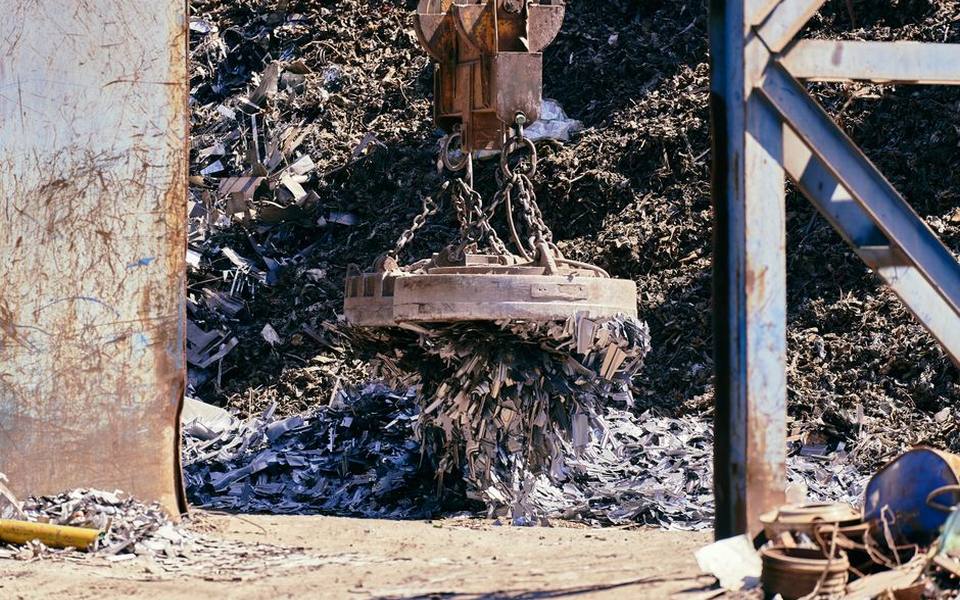
MoneyGuide to Scrap Metal Prices and Recycling Rates
-
 Money
MoneyScrap Copper and Brass Pricing Guide: Grades, Cables, and Tubing
-
 Money
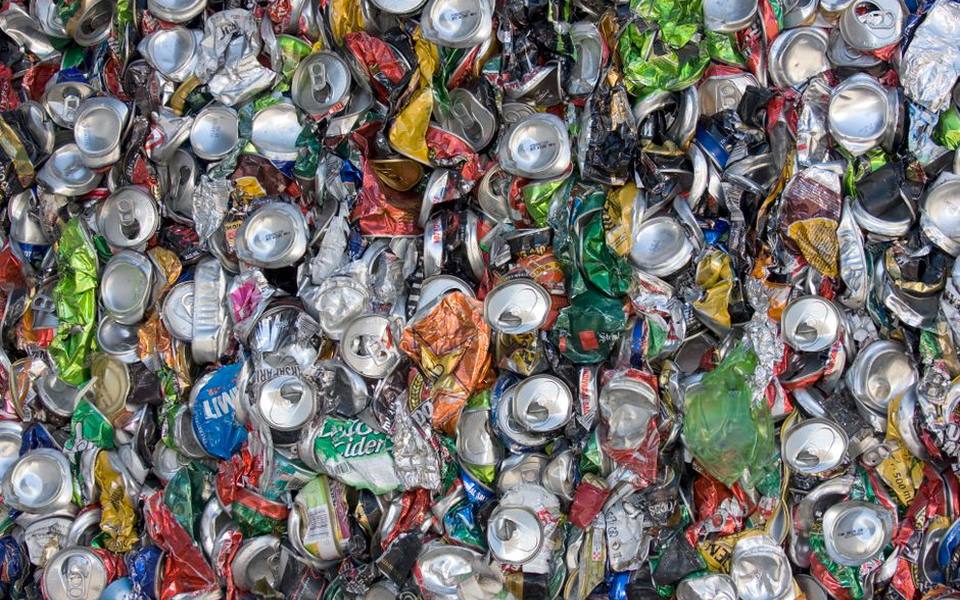
MoneyScrap Aluminum Value Guide: Rims, Cans, and Sheet Metal Prices
-
 Money
MoneySpecialty Scrap Metal Guide: Stainless Steel, Cast Iron, and Lead
-
 Money
MoneyHow Much Do Junkyards Pay for Junk Cars? Complete Valuation Guide
-
 Buying
Buying Used vs Rebuilt Vehicle Transmissions and Engines from Junkyards
-
 Money
MoneyTow Truck Service Costs and Junkyard Haul-Away Fees Explained
-
 Buying
Self-Service Junkyard Parts Guide: Price Lists and Yard Tips
-
 Service
Emergency & Heavy-Duty Towing Services: Costs, Flatbeds, and Towing Companies
-
 Buying
Complete Buying Guide to Used Tires and Rims
-
 Money
MoneyHow to Get Cash for Junk Cars: Salvage Values, Title Rules, and Clunker Programs
-
 Buying
How to Buy Cars at Police Impound and Tow Lot Auctions
-
 Money
MoneyScrap Steel and Scrap Metal Prices Guide: Value per Pound and Ton
-
 Buying
Insurance & Salvage Auto Auctions: Copart, IAAI, and Wrecked Car Buying
-
 Money
MoneyDonating a Vehicle to Charity: Tax Deductions, IRS Rules, and Avoiding Scams