How scrap yards determine scrap metal prices
Scrap metal values change constantly based on global commodity trading, manufacturing demand, and regional processing capacity. Scrap processors monitor market indices to adjust their posted rates, balancing purchase costs against transportation and shredding overhead. When you arrive with a haul, what you are offered depends primarily on the material's grade, whether it contains magnetic iron, and how clean it is from contaminants.
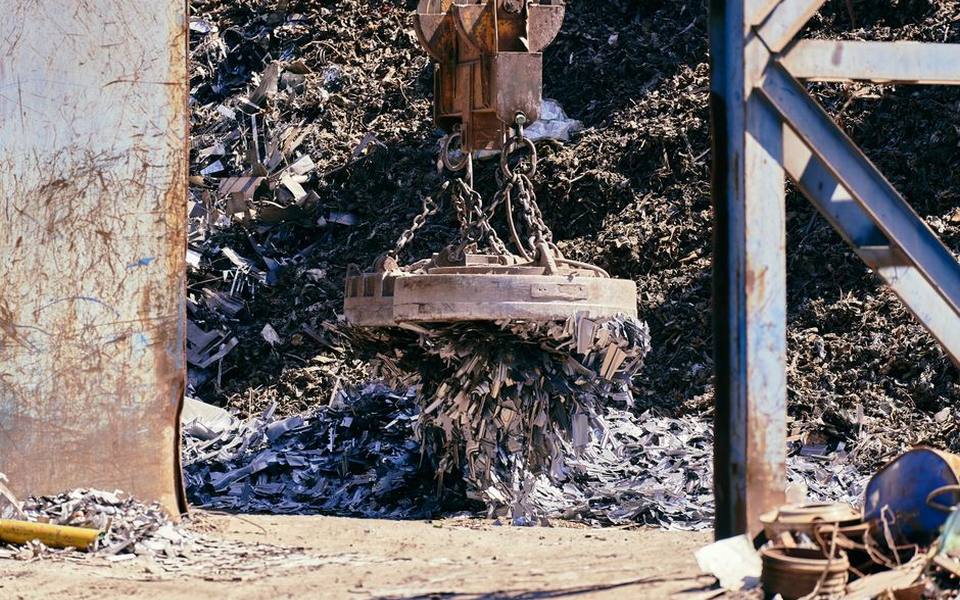
Most facilities split inventory into two broad categories: ferrous and non-ferrous metals. Ferrous metals, which stick firmly to a standard magnet, include structural steel, cast iron, and shredded auto bodies. These materials move in massive volume and are typically priced per gross ton or per hundred pounds. Non-ferrous metals like copper, brass, and aluminum are significantly rarer, which makes them far more valuable per pound.
Local market dynamics also sway regional payouts. A facility situated near a major shipping port or steel mill can often offer slightly better terms because their outbound freight expenses are low. Finding dedicated scrap metal yards & recycling centers helps you avoid third-party brokers who take an extra cut off the top before shipping raw tonnage to industrial shredders.
Ferrous metals: steel, iron, and junk vehicles
Steel scrap forms the bulk of total tonnage moving through domestic yards. Common categories include heavy melting steel, plate and structural iron, light sheet iron, and prepared pipe. Because steel has a relatively low dollar value per pound compared to soft metals, yards rely on high-capacity drive-on scales to measure entire truckloads or trailers at once.
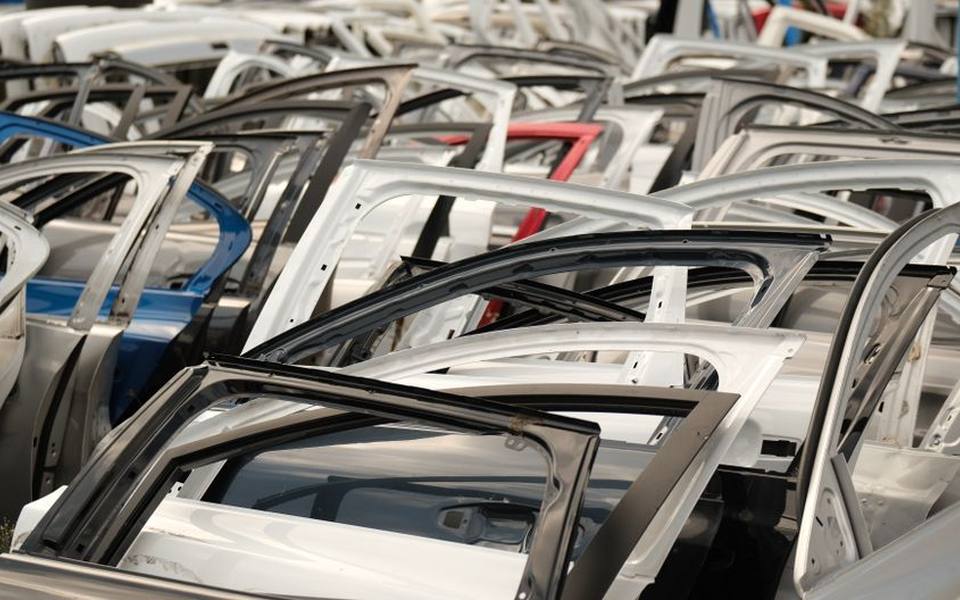
When selling whole junk vehicles, facilities generally deduct weight for non-metallic items like tires, windshield glass, and interior upholstery. Many operations pay a set ton rate for crushed or complete car shells once hazardous fluids and battery components are safely extracted. Dealing directly with junkyards that buy cars can sometimes yield higher returns than standard scrap weight if valuable parts remain salvageable.
Structural iron and heavy machinery components generally command a premium over thin sheet metal or discarded appliances, which yards classify as tin or light shred. The thicker the steel, the less processing loss occurs inside electric arc furnaces. Bringing in clean, dense iron will almost always fetch a higher per-ton rate than hollow fencing or light body panels.
Non-ferrous materials: copper, aluminum, and brass
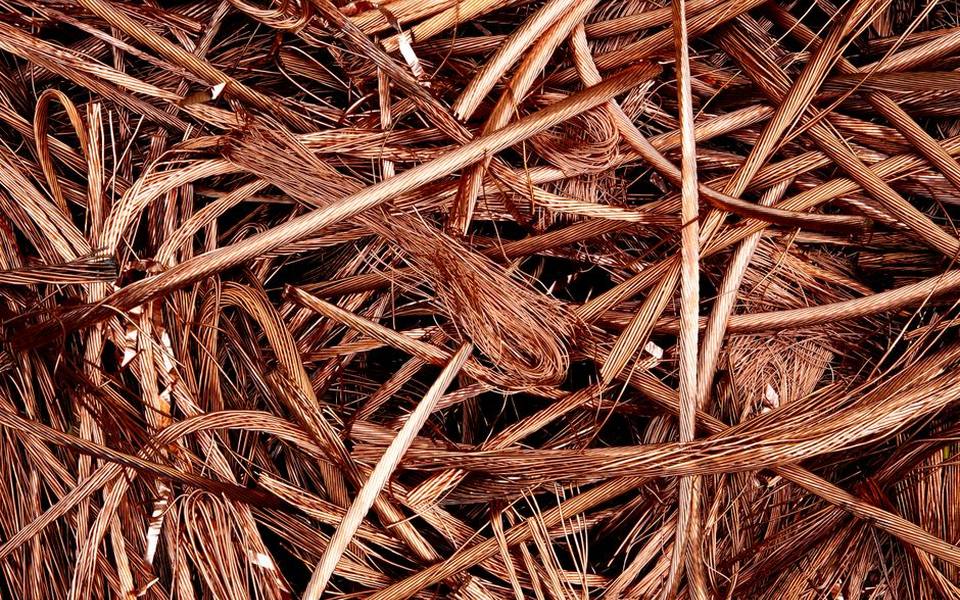
Non-ferrous metals represent the most profitable materials for everyday recyclers. Clean bare bright copper wire sits at the top of common payouts, followed by clean plumbing tubing, mixed copper, and various yellow or red brass fittings. Even small quantities of these metals add up quickly, which is why facilities weigh them indoors on certified platform scales down to the tenth of a pound.
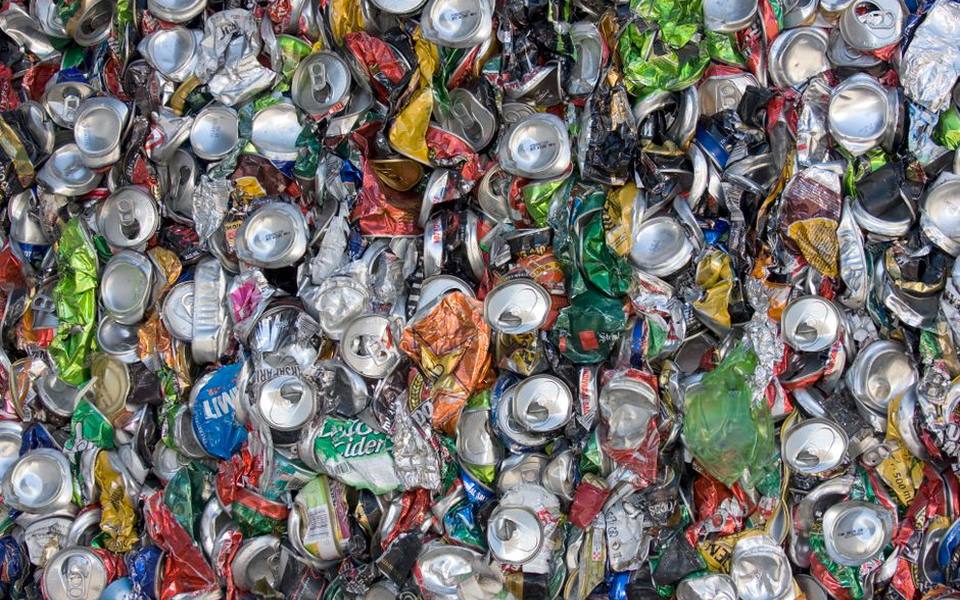
Aluminum comes in numerous distinct grades that significantly impact your receipt. Clean extruded aluminum from window frames pays better than cast aluminum from lawnmower blocks, wheels, or painted residential siding. If your aluminum still has steel screws, rivets, or rubber seals attached, the yard will downgrade it to irony aluminum, which cuts the payout per pound substantially.
Automotive recyclers also handle high-value specialized items like catalytic converters and radiators. Radiators often combine aluminum, brass, and copper, each graded differently based on assembly type and solder content. Many local salvage yards and auto recyclers evaluate these parts individually rather than tossing them into bulk sorting bins, ensuring sellers receive accurate payouts for precious metal content.
Preparing your load for the best payout
The golden rule of metal recycling is proper sorting. If you toss aluminum siding into a truck bed filled with light steel roofing, the yard operator will classify the entire load at the lowest common denominator—usually light iron rates. Keeping your metals separated into labeled bins, barrels, or distinct piles in your trailer protects the individual value of every item.
Stripping insulated wire and cutting off contaminated fittings also pays dividends. Stripping heavy-gauge electrical wire transforms insulated material into bare bright copper, which can double the price per pound depending on the current market spread. However, assess the labor required before stripping thin computer cables or wiring harnesses, as their lower copper yield rarely justifies hours of manual effort.
Cleanliness extends beyond stripping wire insulation. Cutting steel brackets off aluminum housings, removing plastic handles from copper piping, and draining thick motor grease ensures your materials meet baseline grade requirements without deduction. Doing that prep work at home prevents your pay ticket from being dinged with excessive yard contamination fees.
Navigating the yard and receiving payment
Visiting an industrial recycling center can feel intimidating initially, but the process is standardized across most locations. For bulk iron or vehicle bodies, you first pull onto a full-length truck scale so the weighmaster can record your gross weight. From there, attendants direct you to a specific drop area or crane pile where heavy equipment unloads your vehicle.
Once your truck or trailer is clear, you loop back to the outbound scale to record your tare weight. The calculated difference represents your net scrap tonnage. If you brought separate buckets of non-ferrous metals, you park and carry those bins inside to the secondary scale station. Facilities connected to auto salvage & junk yards usually maintain separate lanes to keep commercial haulers and retail sellers moving smoothly.
State and municipal regulations strictly govern scrap transactions to deter metal theft. In most states, you must present a valid government-issued photo ID and vehicle registration before completing the transaction. Depending on local laws, high-value non-ferrous payouts may be issued via printed check, secure automated payout kiosk, or delayed mail voucher rather than immediate cash on hand.
Published 2026-09-20 · reviewed with each rebuild, last September 2026.
Find junkyards near you
The directory lists 8,707 junkyards by state and city — pick your state or use the “Near me” button in the header.
More guides
-
 Money
MoneyScrap Copper and Brass Pricing Guide: Grades, Cables, and Tubing
-
 Money
MoneyScrap Aluminum Value Guide: Rims, Cans, and Sheet Metal Prices
-
 Money
MoneySpecialty Scrap Metal Guide: Stainless Steel, Cast Iron, and Lead
-
 Money
MoneyHow Much Do Junkyards Pay for Junk Cars? Complete Valuation Guide
-
 Buying
Buying Used vs Rebuilt Vehicle Transmissions and Engines from Junkyards
-
 Money
MoneyTow Truck Service Costs and Junkyard Haul-Away Fees Explained
-
 Buying
Self-Service Junkyard Parts Guide: Price Lists and Yard Tips