Understanding How Steel and Iron Are Priced at the Scale
Selling scrap metal starts with understanding how yards measure what you bring across the scale. Scrap steel and iron are bulk commodities, meaning their value depends almost entirely on weight and grade rather than the original purchase price of the item. While retail metals like copper or brass sell strictly by the pound, steel prices are typically quoted by the gross ton (2,240 pounds) or net ton (2,000 pounds) for industrial loads, and broken down into fractions of a cent or a few cents per pound for smaller consumer drops.
When you arrive at a recycling facility with a truck bed or trailer of metal, your vehicle is weighed on an inbound platform scale. After you dump the load in the designated steel pile, you cross an outbound scale. The difference between those two numbers represents your net weight. If you have only a few pieces of scrap, smaller facilities might direct you to a platform scale where you unload by hand and receive a per-pound rate.
The current rate for scrap steel fluctuates based on international demand, domestic manufacturing activity, fuel costs, and local mill operations. Because steel is melted down in high-volume electric arc furnaces, mills purchase it in massive quantities. When domestic building and auto manufacturing surge, mills pay scrap yards more to secure raw feed, which immediately trickles down to higher payouts at neighborhood scale houses.
Conversely, when export markets slow down or construction demand cools off, yards drop their buying prices to protect their profit margins. It is common for scrap steel to shift in price from one month to the next, meaning an old load sitting behind a barn might bring substantially different cash depending on broader market cycles.
Factors That Move Scrap Metal and Recycled Steel Rates
Scrap metal values are not fixed by any single regulatory agency or recycling company. Instead, global trade indices and regional steel mill contracts determine the baseline pricing across North America. When steel mills negotiate supply contracts at the start of each month, they establish what they are willing to pay per gross ton for specific ferrous grades. Local processors look at those mill contracts, subtract freight, processing, and labor overhead, and set their street price.
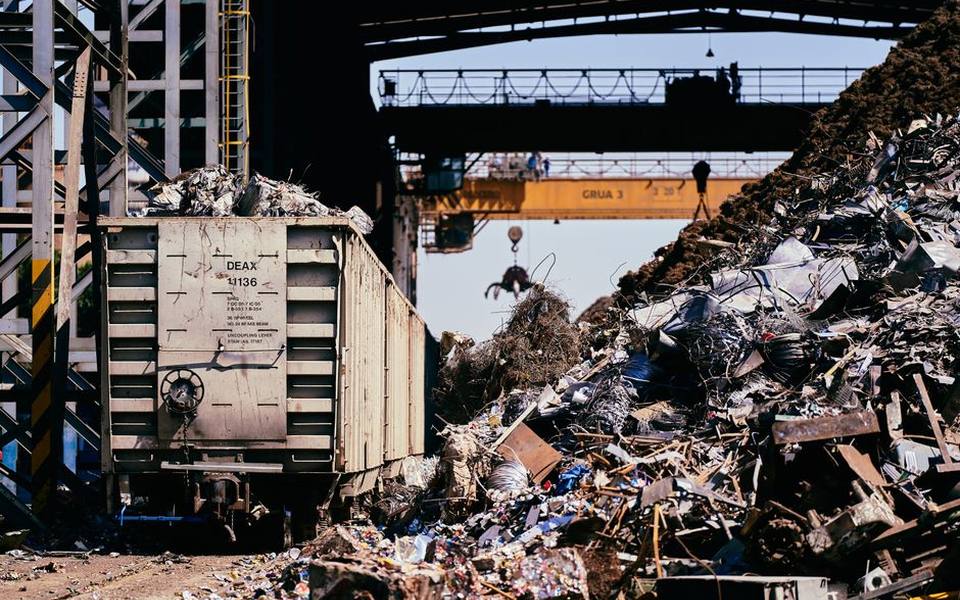
Transportation expenses play an enormous role in what a yard can afford to pay you. Steel is heavy, bulky, and relatively cheap per unit of weight compared to non-ferrous metals. If a recycling center is located next to a major port or within fifty miles of a steel mill, its hauling costs are minimal, allowing it to pay noticeably more per ton than a remote yard that must ship scrap hundreds of miles by rail or flatbed.
Seasonal dynamics also create predictable patterns in salvage yards. In early spring, residential cleanups, commercial demolitions, and farm clearing projects flood processing facilities with volume, which can soften prices if mills already have sufficient raw inventory. In deep winter, heavy snow and freezing conditions reduce scrap intake across the northern states, occasionally prompting mills to raise purchase rates to draw material out of storage.
Scrap Iron and Heavy Steel Grades Explained
Not all steel is viewed equally when it hits the unloading pad. The scrap industry relies on strict grading standards to determine value, primarily based on material thickness, chemistry, and cleanliness. Heavy Melting Steel (commonly known as HMS 1 and HMS 2) represents thick structural pieces, machinery frames, industrial beams, and heavy angle iron. HMS 1 generally consists of clean wrought iron and steel quarter-inch thick or greater, cut into manageable lengths, making it ideal for immediate furnace charging.
Cast iron holds a separate category with its own market value. Sourced from vintage engine blocks, automotive brake rotors, municipal pipe fittings, and cast stoves, iron is heavier and more brittle than carbon steel. Because foundries require cast iron for specific pouring processes, yards often pay a slight premium for sorted, clean cast over generic mixed steel, provided it contains no attached rubber, oil, or aluminum brackets.
Plate and structural scrap, often salvaged from building demolitions, bridges, or shipping containers, represents the premium tier of ferrous recycling. These pieces are clean, dense, and uniform, which lets mills melt them with minimal slag and energy loss. If you bring a trailer full of dense, heavy plate steel, you will almost certainly receive a higher quote per ton than someone bringing thin, hollow tubing or uncompressed fencing.
Scrap Sheet Steel and Light Gauge Household Scrap
Light iron, commonly called sheet steel or shredder feed, makes up the vast majority of consumer scrap metal. This category includes old washing machines, clothes dryers, metal roofing panels, corrugated barn tin, bicycles, file cabinets, and lawnmower decks. These items are made of thin steel that takes up significant volume relative to its weight, requiring yards to run it through an industrial hammer mill shredder before shipping it to a smelter.
Because shredder feed requires intensive processing, magnetic separation, and transport, scrap sheet steel prices are generally the lowest among ferrous categories. When steel recycling rates drop nationwide, light iron is the first category where prices dip near baseline handling costs. Even so, clearing out old appliances, tin siding, and sheet panels can quickly accumulate several hundred pounds, turning unwanted property clutter into modest cash.
When selling sheet metal, yards expect reasonable cleanliness. If an old appliance is packed full of construction debris, soaked insulation, or dirt, the scale operator will either downgrade the load to pay for the excess tare weight or assess a deduction. Removing electric cords, copper motors, and heavy plastic components from sheet metal appliances before heading to the facility ensures you receive fair payment without unnecessary penalties.
Ferrous vs Non-Ferrous: Separating Metals for Maximum Return
The single most important rule in metal recycling is knowing the difference between ferrous and non-ferrous metals. Ferrous metals contain iron and are magnetic, comprising the bulk of common steel, cast iron, and sheet items. Non-ferrous metals—such as copper, aluminum, brass, stainless steel, and lead—contain no substantial iron content, do not rust in the traditional sense, and do not hold a common magnet. They are far rarer and command significantly higher rates per pound.
Carrying a simple hand magnet in your pocket is the easiest way to inspect your haul before going to Scrap Metal Yards & Recycling Centers. If the magnet sticks firmly to the metal, it belongs in your steel pile and will sell for pennies per pound or a modest per-ton rate. If the magnet slides off or shows zero pull, you are holding a non-ferrous metal that could be worth several dollars per pound.
A common mistake among first-time scrappers is leaving non-ferrous components attached to large steel pieces. For instance, an electric motor contains valuable copper windings encased in an iron housing, and aluminum radiators often feature steel mounting brackets. If you sell these assembled assemblies as generic scrap steel, the yard pays you the low ferrous rate for the entire piece, keeping the high-value non-ferrous margin for themselves.
Taking an extra hour in your garage with basic wrenches, a pry bar, or an angle grinder to remove brass fittings, copper tubes, and aluminum trim from steel equipment can dramatically increase your total ticket value. Once sorted into separate bins or buckets, non-ferrous items can be weighed on the indoor scale, earning a completely separate, high-value payout.
Automotive Scrap Value: How Junk Vehicles Compare to Steel
Automobiles are one of the richest single sources of scrap steel in the United States, typically consisting of approximately sixty percent ferrous metal by curb weight. An average sedan contains roughly two to three thousand pounds of recyclable iron, stamped steel panels, and frame elements. However, selling a complete vehicle is fundamentally different from dropping off clean industrial scrap steel because of the fluids, hazardous materials, and mixed contents involved.
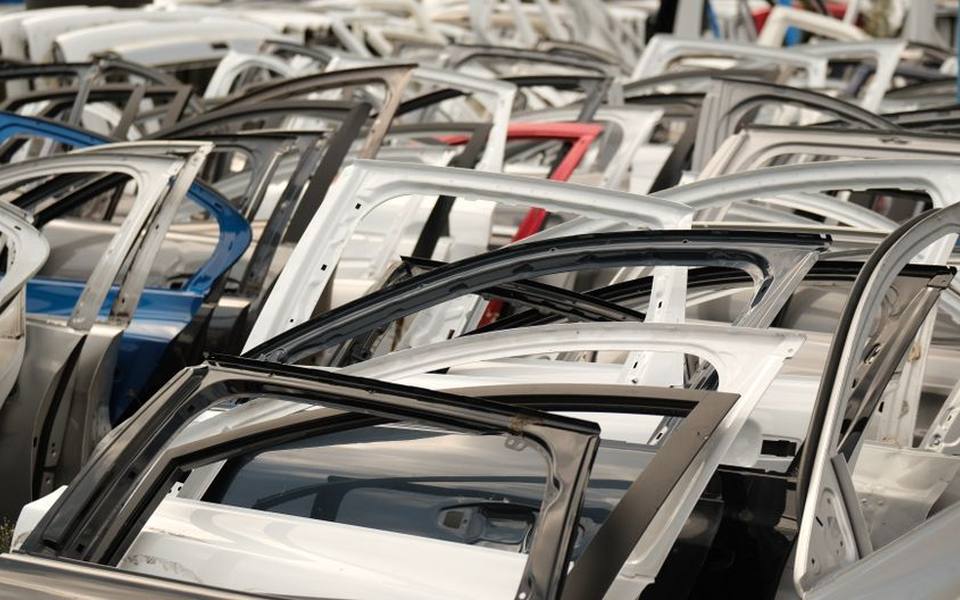
When a junk car arrives at an auto recycler, it requires depollution before it can be processed as shred scrap. Mechanics must drain motor oil, transmission fluid, antifreeze, and gasoline, as well as extract mercury switches, airbags, and refrigerants. Because of this labor requirement, general automotive shred steel sells at a slight discount compared to clean structural steel, though valuable automotive components help offset the difference.
A whole car also contains high-dollar items like catalytic converters, lead-acid batteries, aluminum engine heads, and copper wiring harnesses. If you sell a non-running car directly to Junkyards that Buy Cars, the offer reflects both the scrap steel shell and the resale value of those usable components. In contrast, if you strip the vehicle completely down to a bare shell before hauling it in, the yard will pay you strictly based on the prevailing light sheet scrap steel price per ton.
Scrap Steel Pickup Services vs. Hauling It Yourself
When dealing with large volumes of iron, old machinery, or scrap fencing, you face a logistical choice: haul the metal to the scale yourself or contract an independent scrapper or hauling service to pick it up. While hauling it in your own pickup truck or utility trailer guarantees you keep one hundred percent of the scale receipt, handling heavy iron carries real costs in fuel, trailer wear, tie-down gear, and personal time.
For small quantities of low-grade sheet steel or scattered scrap, calling an independent scrapper for driveway pickup is often the most sensible solution. Scrappers who advertise free removal make their money by collecting multiple small piles across an area until they have accumulated a profitable gross weight. In this scenario, you give up the scrap steel payout in exchange for the convenience of having someone else do the heavy lifting and clearing.
If you are parting with a complete end-of-life vehicle or heavy farm equipment that cannot be safely loaded onto a standard utility trailer, look into Junk Car Removal with Free Towing. Established auto salvage outfits typically provide complimentary flatbed or wrecker dispatch, deducting the logistical cost internally from the vehicle purchase price so you avoid paying out-of-pocket hauling fees.
Scale Operations, Moisture Deductions, and Weight Tickets
Understanding scale house etiquette and processing guidelines ensures you leave the facility with an accurate ticket and payment. Commercial truck scales are certified and regularly calibrated by county or state weights and measures inspectors, ensuring precision to within five or ten pounds. When driving onto the scale, stop completely, wait for the scale master to log the weight, and follow the yard's directional signs or radio instructions before rolling onto the yard floor.
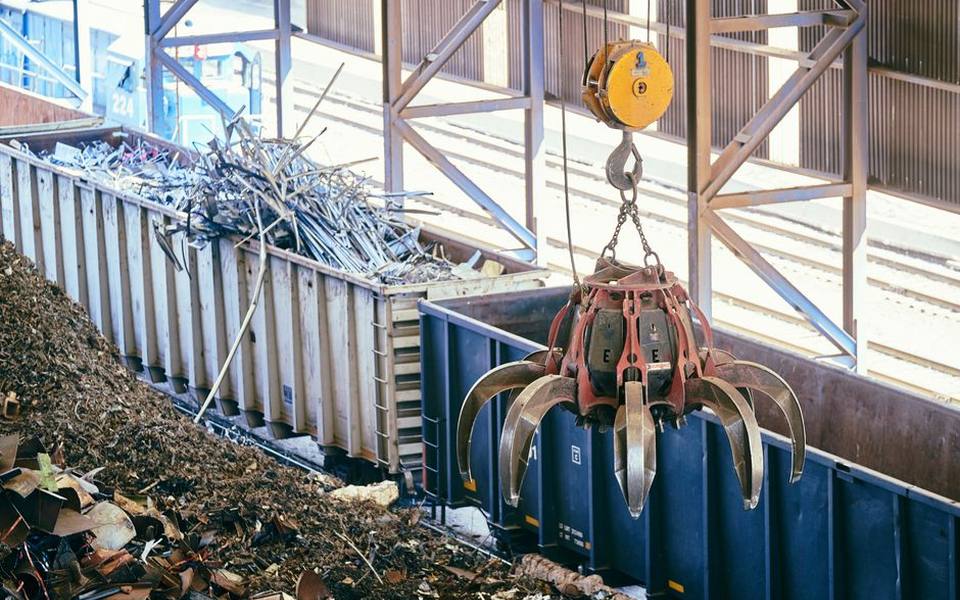
Yards watch closely for non-metallic contamination, known in the industry as tare or deduction. If your steel scrap contains heavy concrete footings stuck to fence posts, deep layers of dirt, wet timber, or saturated vehicle interiors, the yard inspector will estimate the non-metal weight and apply a percentage deduction to your gross load. In extreme cases of dirty loads, yards may reject the drop altogether to prevent damage to their shredders.
Sealed containers are another strict inspection focus. Recyclers strictly prohibit propane tanks, oxygen cylinders, paint cans with liquid, and unpunctured fuel tanks because they pose severe explosion risks in shears and shredders. Tanks must typically have their valves removed or have large inspection holes torched through the side before any scrap yard will accept them as scrap steel.
Step-by-Step Strategy to Maximize Your Scrap Payout
Getting the most money out of your metal requires a bit of preparation before loading up. First, call two or three facilities in your surrounding area to ask for their current per-ton or per-pound ferrous rate. Because local scrap buyers operate independently, street rates can differ by ten to twenty dollars per ton between competitors across town depending on their inventory targets and mill contracts.
Second, bundle and pack your load efficiently. Heavy scrap items, like engine blocks, cast iron pipes, or steel beams, should be placed low in the truck bed or trailer for stability and safety during transit. If you have mixed grades, such as sheet steel and heavy iron, ask the scale operator if you can do a split weight. This involves dropping your heavy material first, weighing out, and then dropping the lighter sheet iron, ensuring you receive the higher rate for your dense stock.
Third, hold onto non-ferrous metals until you have accumulated substantial weight. Making a trip to the yard with just ten pounds of copper wire or thirty pounds of aluminum cans burns more fuel than the material is worth. Storing high-value non-ferrous items in secure bins until you have a full haul of scrap steel allows you to cash in on both ferrous bulk and non-ferrous value in a single, profitable visit.
Finally, inspect the material for usable parts before consigning it to the melt furnace. If your scrap includes complete automotive assemblies or vintage machinery, checking with Local Salvage Yards and Auto Recyclers might reveal parts value that far exceeds scrap weight rates. An intact axle, transmission case, or farm implement component is often worth significantly more to an auto dismantler than its raw poundage at a shredder yard.
Regulations, Scrap Theft Laws, and Payment Procedures
Over the past two decades, state and municipal governments have enacted strict scrap metal theft prevention laws to deter the unlawful collection of infrastructure materials. Today, selling scrap steel and non-ferrous metal requires following clear identification and reporting procedures. Every seller must present a valid government-issued photo ID, and most yards photograph your vehicle license plate, your face, and the load of scrap you bring across the scale.
Payment methods depend on the specific state and jurisdiction in which the facility operates. While small ferrous payouts were traditionally paid in immediate physical cash, many states now mandate non-cash payments—such as company checks, direct deposit, or automated teller vouchers—for transactions exceeding certain dollar thresholds. In some areas, high-value non-ferrous items like bare bright copper wire carry mandatory three-day waiting periods before checks can be mailed or cashed.
Regulated materials require specific paperwork before a yard can legally accept them. For example, municipal manhole covers, cemetery markers, metal road signs, copper power utility cable, and air conditioner evaporator coils require proof of commercial ownership, a contractor license, or an official demolition permit. Understanding these boundaries ensures you do not waste time hauling restricted materials to the yard scale without the required legal documentation.
Published 2026-09-23 · reviewed with each rebuild, last October 2026.
Find junkyards & auto parts stores near you
The directory lists 48,061 junkyards & auto parts stores by state and city — pick your state or use the “Near me” button in the header.
More guides
-
 Money
MoneyGuide to Scrap Metal Prices and Recycling Rates
-
 Money
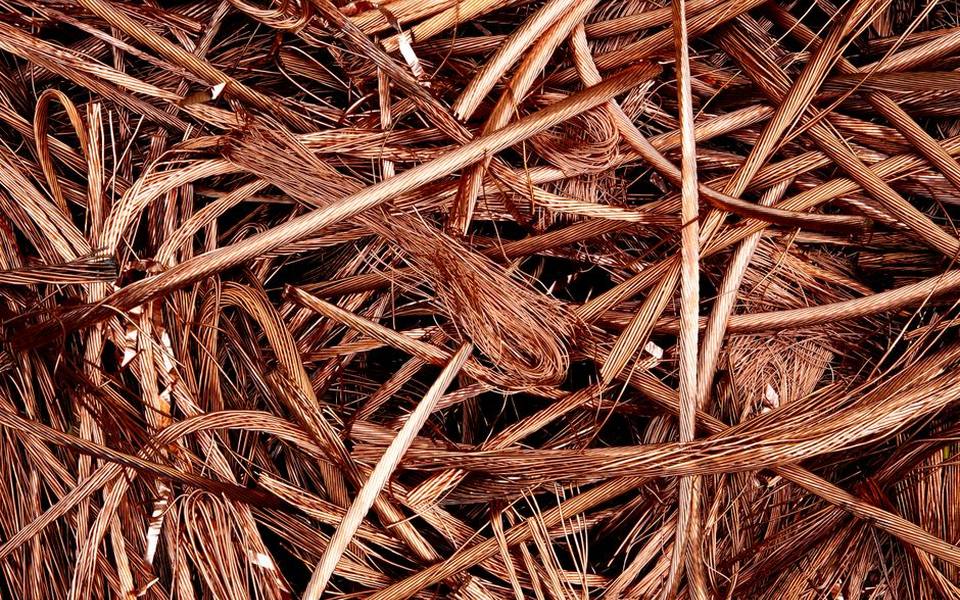
MoneyScrap Copper and Brass Pricing Guide: Grades, Cables, and Tubing
-
 Money
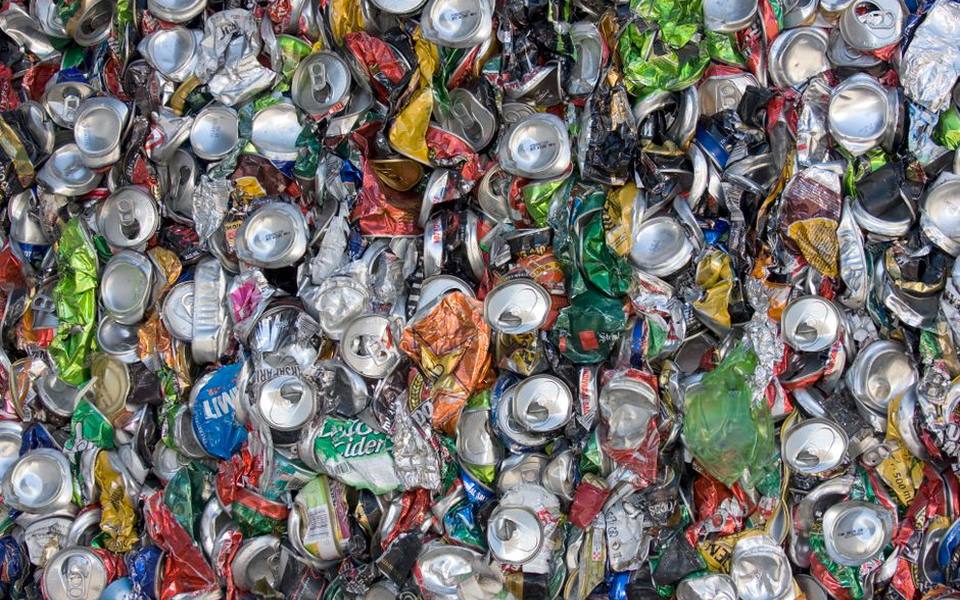
MoneyScrap Aluminum Value Guide: Rims, Cans, and Sheet Metal Prices
-
 Money
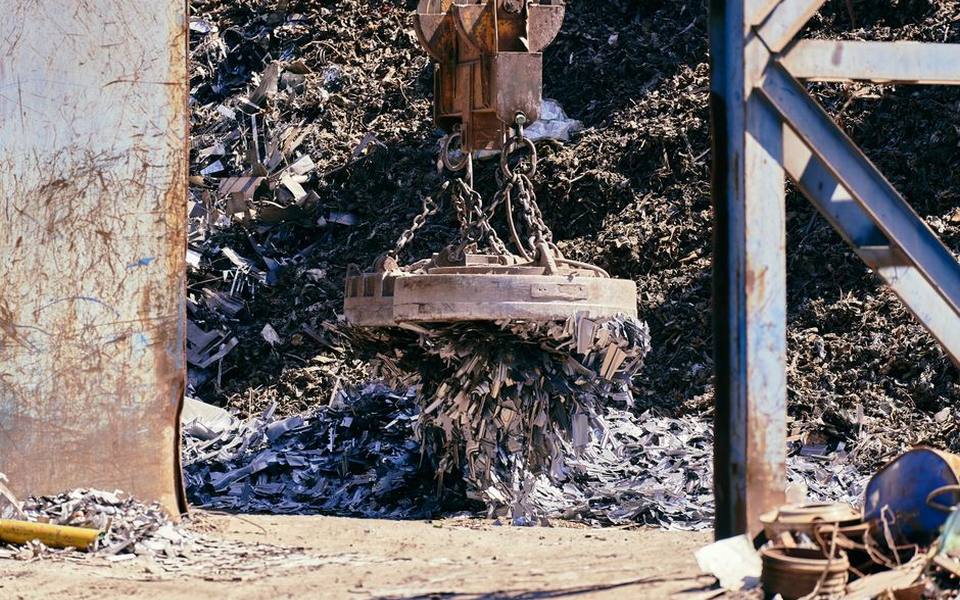
MoneySpecialty Scrap Metal Guide: Stainless Steel, Cast Iron, and Lead
-
 Money
MoneyHow Much Do Junkyards Pay for Junk Cars? Complete Valuation Guide
-
 Buying
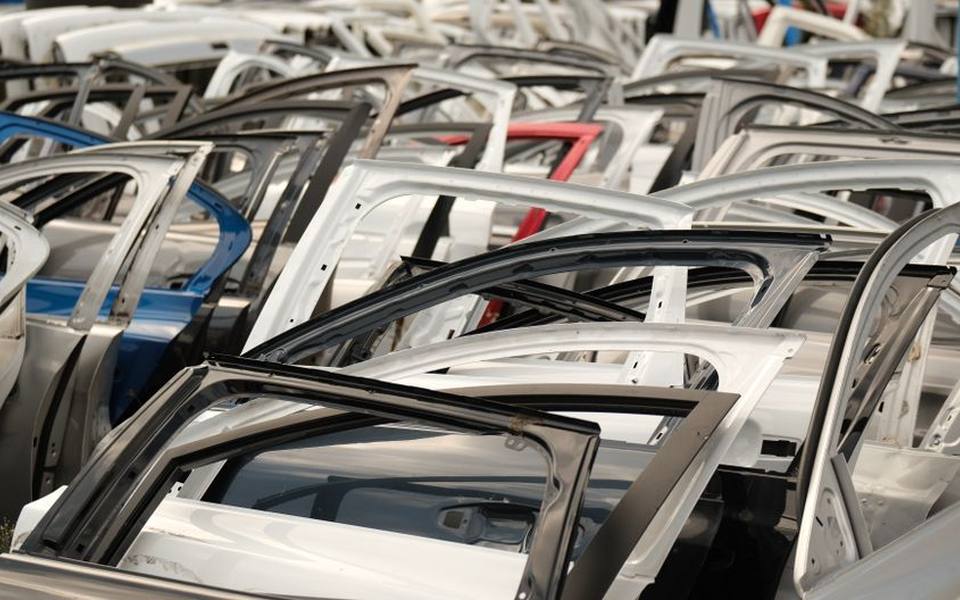
Buying Used vs Rebuilt Vehicle Transmissions and Engines from Junkyards
-
 Money
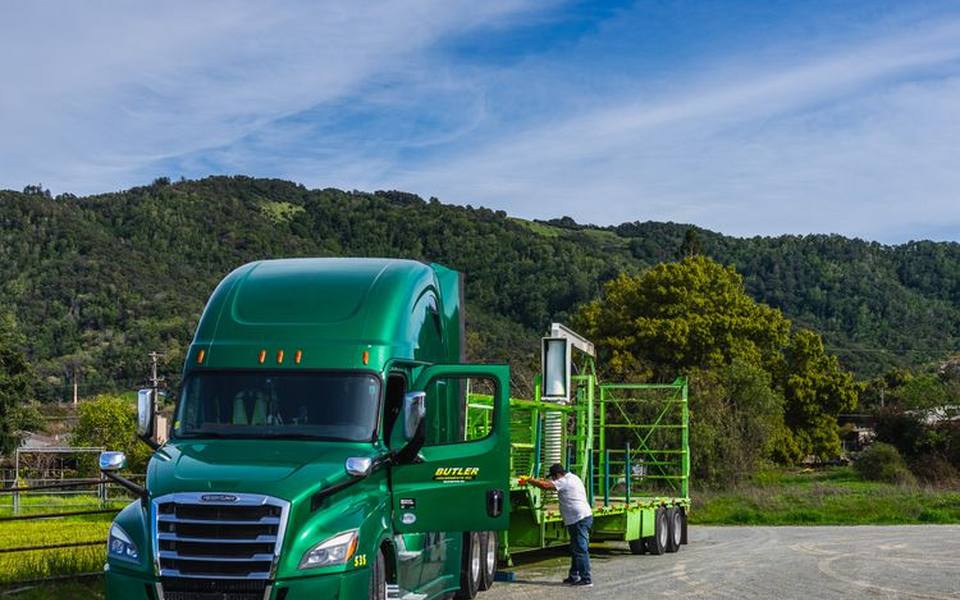
MoneyTow Truck Service Costs and Junkyard Haul-Away Fees Explained
-
 Buying
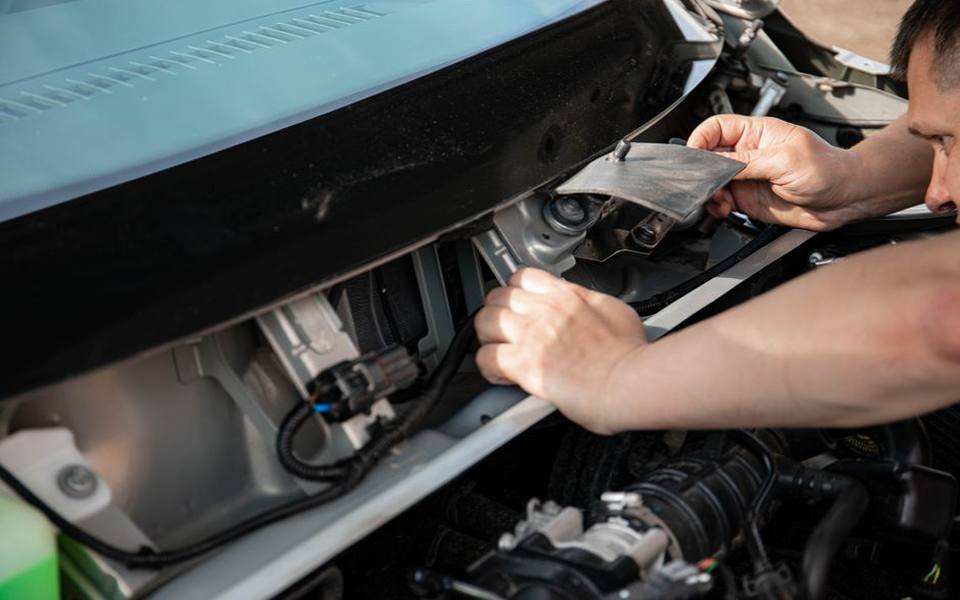
Self-Service Junkyard Parts Guide: Price Lists and Yard Tips
-
 Service
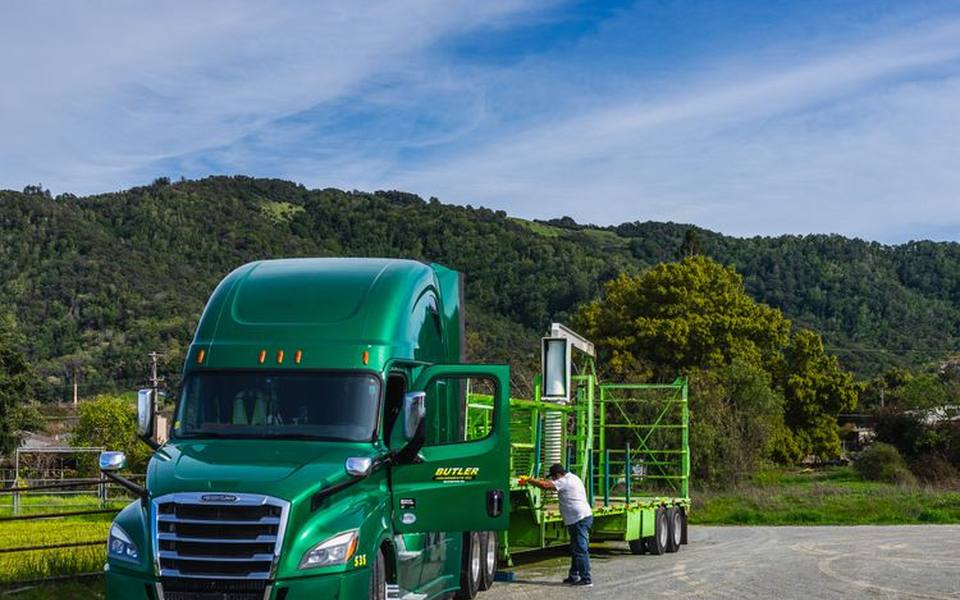
Emergency & Heavy-Duty Towing Services: Costs, Flatbeds, and Towing Companies
-
 Buying
How to Navigate Auto Salvage Yards, Pick-Your-Part Lots, and Online Inventories
-
 Buying
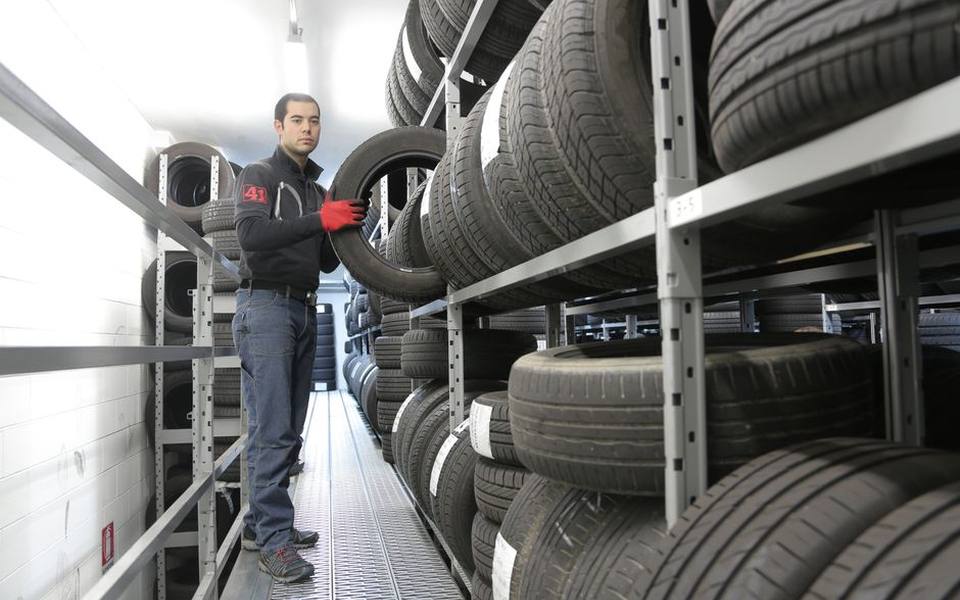
Complete Buying Guide to Used Tires and Rims
-
 Money
MoneyHow to Get Cash for Junk Cars: Salvage Values, Title Rules, and Clunker Programs
-
 Buying
How to Buy Cars at Police Impound and Tow Lot Auctions
-
 Buying
Insurance & Salvage Auto Auctions: Copart, IAAI, and Wrecked Car Buying
-
 Money
MoneyDonating a Vehicle to Charity: Tax Deductions, IRS Rules, and Avoiding Scams