The Reality of Sourcing Pre-Owned Rubber and Wheels
Buying secondhand tires and wheel sets can cut vehicle maintenance expenses by half or more, but long-term road safety depends entirely on an unhurried, hands-on evaluation. Countless vehicles enter automotive dismantling facilities every day due to rear-end collisions, bad transmissions, or minor fender benders while riding on nearly fresh rubber. Whether you need a single full-size spare or a complete four-wheel upgrade, understanding basic inspection steps protects your wallet and keeps your vehicle safe on the highway.
Unlike new replacement rubber sold through retail chains with mileage warranties, pre-owned inventory is almost universally sold as-is. Sellers range from neighborhood used tire merchants to broad automotive recyclers and private vehicle owners. Finding reliable sets means prioritizing casing age, structural integrity, and compound suppleness over surface sheen. A tire soaked in silicone tire shine can easily conceal deep dry rot, whereas a dusty wheel assembly stored inside a dry warehouse might be in prime condition.
Before heading to a yard or browsing online listings, check your vehicle's factory specifications on the driver-side door pillar placard. Take note of the exact tire dimension string, required load index, speed rating, and wheel bolt pattern. Mounting tires with inadequate load capacity or wheels with an incompatible center bore can trigger premature suspension wear, uneven tire degradation, or catastrophic blowouts under heavy highway loads.
Decoding Sidewall Markings and the Critical DOT Code
Every street-legal passenger tire carries an alphanumeric Department of Transportation (DOT) code pressed into the lower sidewall near the rim bead. The final four digits disclose the production week and year. For instance, a sequence ending in 2821 reveals the tire was manufactured during the twenty-eighth week of 2021. Even if a casing displays deep, unworn tread grooves, automotive engineers and tire manufacturers typically recommend retiring tires after six to ten years because structural bonding agents gradually break down.
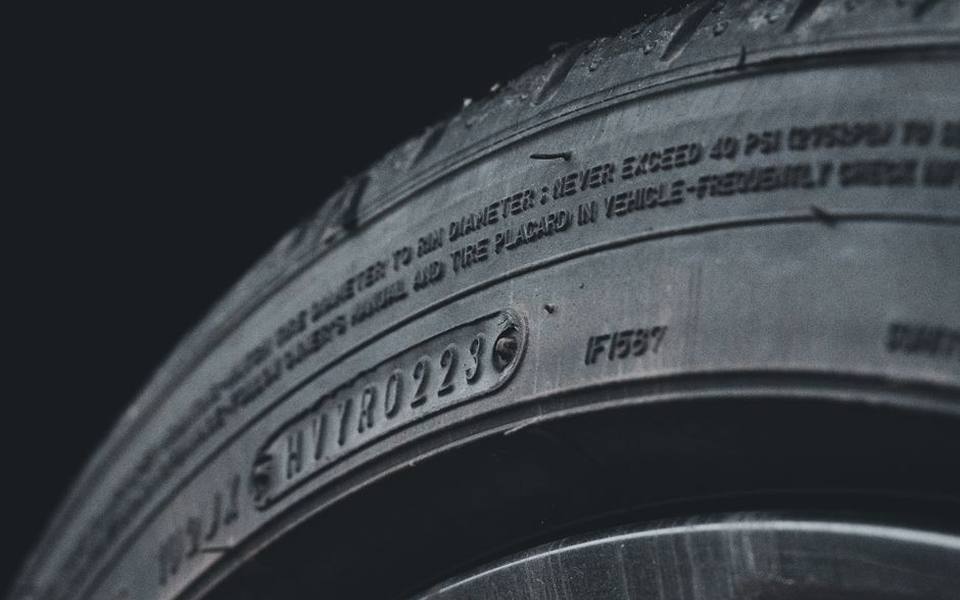
Rubber naturally oxidizes when exposed to environmental oxygen, ozone, and ultraviolet light, shedding the pliable plasticizers that provide grip on dry and wet pavement. When browsing tire racks at auto salvage and junk yards, treat any casing manufactured beyond a six-year threshold with extreme caution. Storing wheels outdoors in direct sunlight accelerates this aging process, turning once-flexible rubber blocks hard, brittle, and prone to sudden tread separation.
Pay equal attention to the load and speed ratings located directly beside the dimension numbers. Light trucks, vans, and mid-sized SUVs require reinforced casings engineered to support substantial gross axle weights. Installing standard passenger-rated rubber on a heavy work vehicle leads to excessive sidewall deflection, sluggish steering response, and dangerous internal heat buildup during prolonged highway travel.
Evaluating Remaining Tread Depth and Wear Patterns
Assessing tread depth requires far more accuracy than merely glancing at the outer ribs or relying on rough estimates. While slipping a common coin into the grooves gives a fast visual reference, an inexpensive mechanical tread depth gauge calibrated in thirty-seconds of an inch delivers the exact measurements you need. In most states, the legal minimum tread threshold is two thirty-seconds of an inch, but safe driving in rain or slush typically requires at least four thirty-seconds.
Take measurements across three separate tracks: the inside shoulder, the center ribs, and the outside shoulder. Inconsistent readings across the width reveal the mechanical history of the donor automobile. A tire worn thin along the center ribs indicates long-term over-inflation, while excessive wear on both exterior shoulders points toward chronic under-inflation. Wavy dips or scalloped patches around the circumference usually indicate blown shock absorbers or weak suspension bushings.
If only one shoulder displays heavy wear, the donor vehicle suffered from improper camber or toe alignment settings. Secondhand tires with pronounced feathering or diagonal wiping create irritating road noise and can lengthen stopping distances on slick asphalt. A sound secondhand purchase requires smooth, even tread wear across the entire contact surface.
Detecting Hidden Casing Damage and Prior Repairs
Critical internal structural faults are often impossible to see until you run your bare hands across the outer sidewall and inside the unmounted carcass. Feel carefully for bulges, soft spots, or small knots along the inner and outer sidewall faces. These imperfections signal snapped internal steel belts or broken polyester cords, usually caused by hitting deep potholes or curbs at speed. A tire with broken internal belts cannot be salvaged and poses an extreme blowout hazard.
When inspecting unmounted tires, shine a bright flashlight directly inside the casing. Look for loose black rubber shavings or rolled rubber pellets resting inside the cavity. That debris reveals the previous driver operated the vehicle while the tire was severely underinflated or flat, grinding the inner liner down against the pavement. Inspect the inner liner for prior puncture repairs to ensure they meet basic industry standards.
Reject any tire showing external string plugs inserted without an accompanying internal patch. Puncture moisture eventually travels through bare rope plugs, oxidizing and rotting the underlying steel reinforcement belts. Furthermore, standard tire safety regulations dictate that repairs must be confined to the center tread patch; any plug or patch situated near the shoulder or sidewall makes the casing unsafe.
Sourcing Channels: Recyclers, Local Shops, and Digital Catalogs
Drivers searching for pre-owned wheels and rubber have several procurement paths, each with distinct trade-offs. Visiting self-service facilities such as U-Pull-It junkyards allows hands-on buyers to remove wheel sets directly from incoming vehicles. This approach provides clear context: you can verify the donor car's mileage, check whether all four corners match, and observe whether the tires held operational pressure during storage.
If you prefer to search from home, using salvage yards with online parts inventory lets you search for specific tire dimensions, factory wheel rim codes, and matched packages before traveling. Private marketplace ads and classified listings provide endless variety, but buying tires shipped across the country introduces risk. Freight expenses quickly erase savings, and casual sellers rarely photograph sidewall date codes, bead conditions, or faint inner fractures.
Independent used tire storefronts charge slightly more than salvage yards, but they often include basic dismounting, mounting, and spin balancing in their posted price. Whether you are browsing auto recyclers in salvage yards in Ohio or checking inventory lots across junkyards in Texas, weigh the total drive-away cost against loose rubber that still requires a paid mounting service.
Buying Complete Wheel Sets Versus Loose Rubber
Purchasing complete wheel assemblies—tires already seated and balanced on steel or alloy rims—saves substantial labor and shop installation charges. Dismounting worn tires and balancing four replacement casings typically adds a noticeable expense at professional tire garages. Finding a complete set of original factory wheels carrying plenty of tread lets you complete the entire installation in your driveway using basic hand tools.
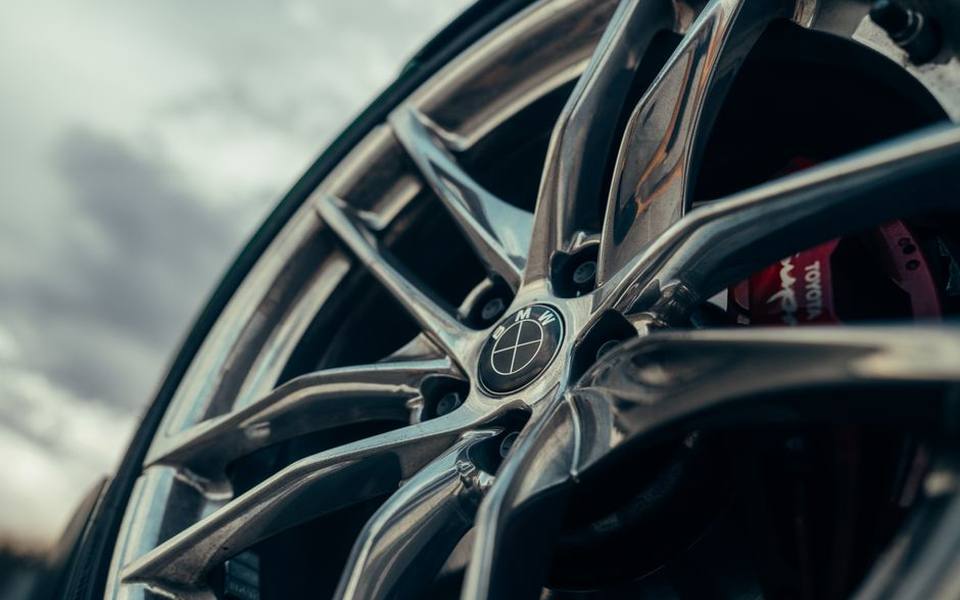
Mounted assemblies frequently emerge from clean, low-mileage vehicles dismantled by local salvage yards and auto recyclers. These wheel sets maintain an unbroken bead seal, preventing the bead edge from suffering pry-bar tears that can happen during hasty tire dismounting. Original equipment wheels also preserve the factory hub-centric offset, load rating, and brake caliper clearances established by your automaker.
However, fully mounted wheels conceal the inside of the tire liner, preventing you from checking for internal flat-run dust or prior plug-and-patch repairs. Before purchasing, verify whether the assemblies hold steady air pressure over time. Inspect the base of every valve stem and the bead contact line for white aluminum corrosion crust or rubber rot, which frequently cause frustrating slow air leaks.
Thoroughly Inspecting Rims for Bends, Cracks, and Fitment
A low-cost wheel set becomes a liability if the rims are out of round, cracked, or improperly sized for your hub assemblies. Cast alloy wheels are particularly susceptible to hairline stress fractures along the inner barrel edge after harsh impacts with expansion joints or debris. Inspect this inner rim lip carefully with a portable light; fractures rarely appear on the styled outer face where they would be immediately obvious to casual buyers.
Check for bent rims by rolling each bare wheel along a flat level concrete floor, observing whether the rim lip wobbles side to side or hops vertically. Having a service shop spin the wheel on an electronic balancing machine provides definitive verification of radial and lateral runout. While simple steel wheels can sometimes be tapped back into true alignment, cracked or bent aluminum alloys cannot be safely repaired for highway use without specialized heat-treatment processes.
Carefully verify the wheel's bolt pattern, hub center bore diameter, and offset range. Even when the lug count and spacing match your vehicle, a center bore that is too small prevents the wheel from seating flush against the brake rotor face. Forcing an incompatible wheel down with an impact wrench places tremendous shearing force on the wheel studs, increasing the risk of wheel separation on the road.
Navigating Price Points, Warranties, and Seller Terms
Pricing for pre-owned tires and wheel packages varies widely based on geographic region, wheel design, brand tier, and remaining tread depth. Self-service salvage facilities generally adhere to transparent, standardized price lists displayed in their offices. In contrast, dedicated secondhand tire dealers and private sellers usually leave room for reasonable, polite negotiation based on the physical condition of the goods.
Always confirm whether the seller offers a brief warranty or exchange window before transferring payment. Established used tire dealers typically provide a short grace period—often between three and seven days—to protect customers against hidden pinhole leaks, broken internal cords, or bead leaks that emerge once the tire is inflated. Private classified sellers rarely offer warranties, making personal on-site physical evaluation essential.
If you are inspecting a pressurized, mounted wheel assembly at a shop, request a quick spray of soapy water around the valve core, the valve stem base, and the bead perimeter. Expanding froth or bubbling quickly identifies micro-punctures, bad valve cores, or rim bead corrosion that would otherwise go unnoticed until your tire loses pressure overnight on the driveway.
Mounting, Balancing, and Installation Best Practices
Once you bring home a sound set of secondhand tires, professional installation ensures long service life and eliminates irritating drivetrain vibrations. Avoid attempting to mount modern low-profile or heavy-ply truck tires using manual tire spoons at home. Prying against the bead edge with hand tools can tear the rubber seal or kink the internal steel bead rings, ruining an otherwise good casing instantly.
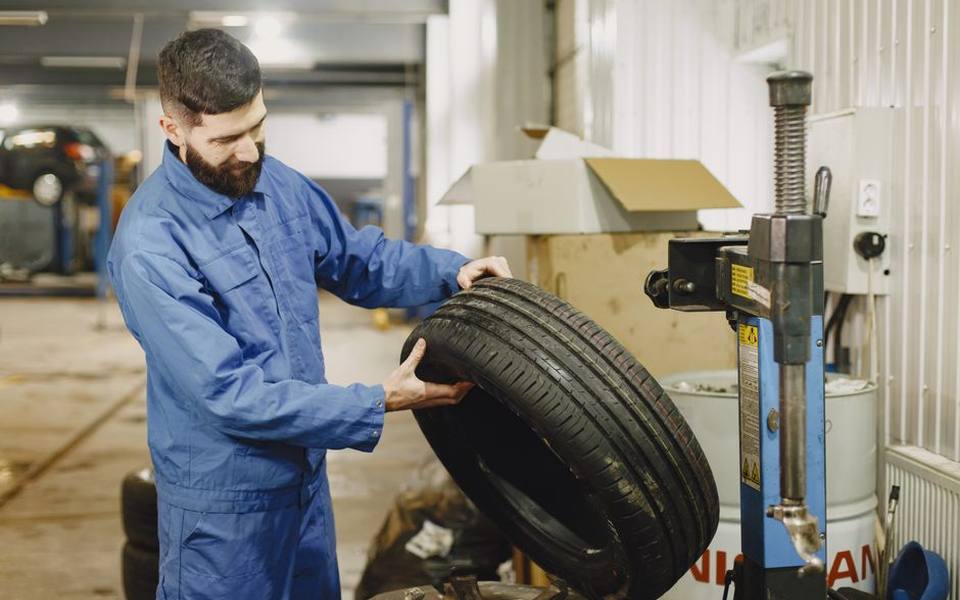
Dynamic computer spin balancing is mandatory for every pre-owned tire. Secondhand casings have developed wear patterns and minor weight imbalances that demand precise placement of wheel weights. Advanced road-force balancing equipment is particularly helpful with older tires, as it presses a roller against the rolling tread to match the tire's stiffest radial spot to the wheel's lowest point, smoothing out rough road feedback.
Always install fresh rubber valve stems or replace the internal valve cores during installation. If your vehicle uses direct Tire Pressure Monitoring System (TPMS) sensors, verify whether the sensors mounted inside pre-owned rims operate on the correct radio frequency for your car's receiver, typically 315 MHz or 433 MHz depending on the vehicle manufacturer.
Clear Deal-Breakers: Knowing When to Walk Away
Recognizing when to decline a used tire or rim deal is the most valuable skill when hunting through salvage inventories. Surface dry rot—visible as delicate spider-web cracks across the sidewall or deep fissures between the tread ribs—indicates the rubber compound has degraded past its useful lifespan. Tires with weather cracking are prone to tread chunking or dangerous tread delamination when traveling at highway speeds in summer heat.
Immediately reject any tire that reveals exposed nylon cords, frayed steel belts, or gouged bead rubber. Similarly, avoid assembling mismatched tread models on vehicles equipped with permanent all-wheel drive (AWD). Most AWD transfer cases and center differentials require uniform rolling circumferences across all four wheels, often within two thirty-seconds of an inch; running mismatched tires can cause expensive mechanical failure in the drivetrain.
Trust your hands and eyes over a seller's verbal reassurances. If an individual seller or commercial vendor objects to you inspecting the inside of a dismounted tire or using a flashlight on the rear barrel of an alloy rim, leave the transaction. Roadworthy secondhand tires and wheels are readily available across the country, meaning there is never a reason to gamble on questionable equipment.
Published 2026-09-22 · reviewed with each rebuild, last October 2026.
Find junkyards & auto parts stores near you
The directory lists 48,061 junkyards & auto parts stores by state and city — pick your state or use the “Near me” button in the header.
More guides
-
 Money
MoneyGuide to Scrap Metal Prices and Recycling Rates
-
 Money
MoneyScrap Copper and Brass Pricing Guide: Grades, Cables, and Tubing
-
 Money
MoneyScrap Aluminum Value Guide: Rims, Cans, and Sheet Metal Prices
-
 Money
MoneySpecialty Scrap Metal Guide: Stainless Steel, Cast Iron, and Lead
-
 Money
MoneyHow Much Do Junkyards Pay for Junk Cars? Complete Valuation Guide
-
 Buying
Buying Used vs Rebuilt Vehicle Transmissions and Engines from Junkyards
-
 Money
MoneyTow Truck Service Costs and Junkyard Haul-Away Fees Explained
-
 Buying
Self-Service Junkyard Parts Guide: Price Lists and Yard Tips
-
 Service
Emergency & Heavy-Duty Towing Services: Costs, Flatbeds, and Towing Companies
-
 Buying
How to Navigate Auto Salvage Yards, Pick-Your-Part Lots, and Online Inventories
-
 Money
MoneyHow to Get Cash for Junk Cars: Salvage Values, Title Rules, and Clunker Programs
-
 Buying
How to Buy Cars at Police Impound and Tow Lot Auctions
-
 Money
MoneyScrap Steel and Scrap Metal Prices Guide: Value per Pound and Ton
-
 Buying
Insurance & Salvage Auto Auctions: Copart, IAAI, and Wrecked Car Buying
-
 Money
MoneyDonating a Vehicle to Charity: Tax Deductions, IRS Rules, and Avoiding Scams