Finding Fast Towing Help When Stranded on the Shoulder
When an engine stalls on the highway or a radiator blows in traffic, finding an available tow truck service close to you comes down to knowing where dispatch centers operate. Drivers often pull up their phones and search for the closest tow company, expecting an immediate arrival. In reality, response times depend heavily on municipal dispatch zones, current traffic density, and whether the provider maintains an active fleet nearby or relies on third-party sub-haulers.
Calling an independent operator directly is usually the quickest way to get an honest estimated time of arrival. Dispatchers can tell you within seconds whether their nearest driver is five minutes away or tied up clearing a multi-car collision across town. If you are stuck in an active lane of travel or perched on a narrow highway shoulder, local law enforcement may dispatch an on-call rotational wrecker to clear the road quickly, which follows county-regulated emergency rates.
Before agreeing to a dispatch, verify that the company handles your specific vehicle type and current situation. An operator with light-duty equipment cannot pull a loaded utility trailer out of a muddy embankment, just as a massive commercial rig cannot maneuver into a low-clearance residential parking garage. Communicating your exact mile marker, vehicle make, and surrounding clearance prevents the wrong truck from showing up at your scene.
Wheel-Lift vs Flatbed Tow Trucks: Choosing the Right Rig
Modern towing generally divides into two main equipment categories: traditional wheel-lift wreckers and hydraulic flatbed rollback trucks. A wheel-lift uses a metal yoke fitted under the drive wheels, lifting one axle off the asphalt while the remaining tires roll on the road. Flatbed carriers, by contrast, lower an entire steel or aluminum deck down to ground level so the vehicle can be pulled aboard, carrying all four wheels completely off the highway.
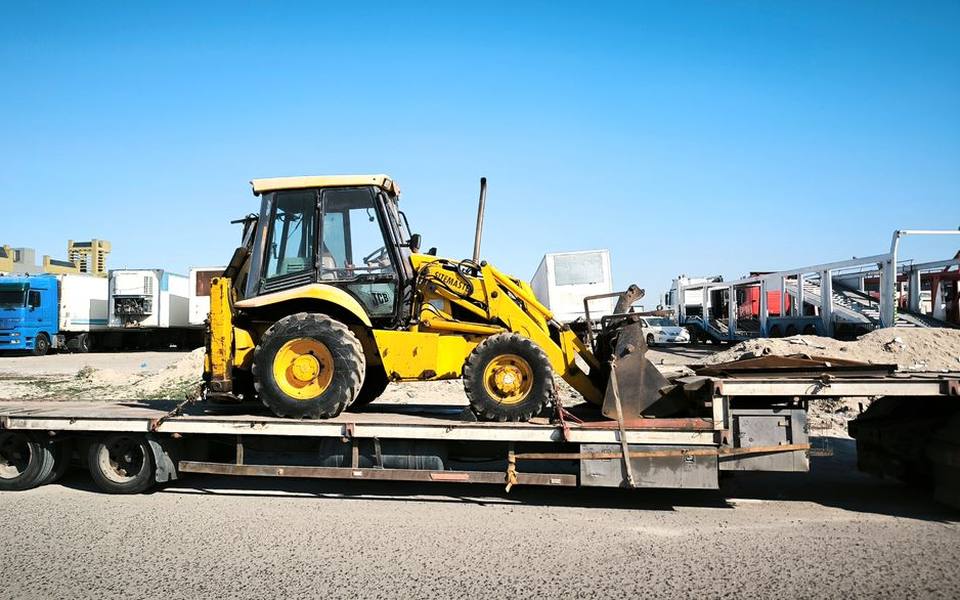
Choosing a flatbed for your tow truck request is critical if you drive an all-wheel-drive or four-wheel-drive vehicle. Pulling an AWD drivetrain with two wheels spinning on the pavement while the other two are immobilized can destroy the center differential or transfer case within a few miles. Flatbeds are also essential for sports cars with low ground clearance, severely wrecked chassis with broken suspensions, and luxury sedans where bumper scraping is an expensive risk.
Wheel-lift trucks still serve a vital purpose in dense urban environments and multi-level parking structures. A compact wrecker can navigate tight basement clearance heights where a long-wheelbase flatbed cannot physically fit. For standard front-wheel-drive economy cars suffering a simple dead starter or flat tire on a wide city street, a wheel-lift rig often provides a faster, dependable hookup without the higher operating fee of a rollback carrier.
Heavy-Duty Recovery and Commercial Wreckers
Standard pickup haulers and passenger car wreckers hit their physical limits when dealing with commercial machinery, school buses, recreational vehicles, and loaded semi-trucks. A heavy-duty tow requires specialized equipment built on tandem-axle or tri-axle chassis with high-capacity under-reach stingers and integrated air brake hookups. These rigs can handle gross vehicle weight ratings running from twenty-six thousand pounds up to eighty thousand pounds or more.
Towing service for trucks involves far more than simply chaining an axle and dragging it down the road. Heavy-duty operators must tie into the disabled commercial vehicle's pneumatic brake lines to release the spring-loaded parking brakes and maintain operating brakes on the towed unit. If the drive axle gears are locked, technicians routinely pull the rear axle half-shafts on the shoulder to prevent catastrophic transmission damage while rolling at highway speeds.
In complex rollover or off-road situations, specialized heavy-duty wrecker trucks called rotators take over the job. These immense machines feature rotating cranes capable of lifting fifty to seventy-five tons, swinging through a full three-hundred-sixty-degree radius. They can reach down steep highway embankments to upright an overturned tractor-trailer or retrieve submerged equipment without closing all oncoming lanes of traffic, saving hours of emergency recovery time.
Roadside Assistance Clubs and Motor Club Memberships
Millions of motorists rely on subscription memberships like motor clubs and insurance roadside riders when mechanical trouble strikes. Utilizing club tow services typically shields you from paying retail hookup fees out of pocket for short distances. However, standard entry-level tiers often include only three to five miles of free towing before per-mile overage charges kick in, leaving drivers with unexpected balances if they break down far from home.
Wait times during peak periods—such as severe snowstorms, summer heatwaves, or weekday rush hours—can test any driver's patience. Motor club networks assign calls to contracted local tow companies based on pre-negotiated volume discounts. Because independent tow yards earn lower margins on these contracted calls, some operators prioritize their direct-paying retail customers first, leading to extended wait times for motor club members stranded during regional storms.
Upgrading to an extended-mileage plan makes financial sense for motorists who commute long highway distances or regularly take cross-country road trips. Higher membership tiers usually cover fifty to one hundred miles per incident, easily saving hundreds of dollars if an engine seizes in a rural dead zone. Always ask dispatch whether a specialized truck like a rollback bed is covered under your plan without supplemental surcharges before the driver leaves the yard.
The Mechanics of Modern Wreckers and Recovery Booms
The image of an old-fashioned hook-and-chain wrecker slinging a car by its steel bumper is largely a relic of past decades. Today, a modern tow truck wrecker relies on precision hydraulics, nylon recovery straps, and integrated wheel-grids that cradle vehicle tires directly. This equipment prevents frame twisting, cosmetic fascia crushing, and steering linkage bending that frequently plagued vintage sling-type recovery operations on older vehicles.
Recovery booms mounted on light- and medium-duty chassis provide the winching muscle needed when cars slide into ditches, snowbanks, or drainage culverts. Winching differs mechanically from a straightforward tow; it requires stabilizing outriggers dropped to the pavement, heavy synthetic or steel cables, and snatch blocks to redirect pulling angles. Operators must calculate mechanical leverage carefully to extract a stuck car without ripping away suspension arms or bumper covers.
For non-drivable vehicles stranded in tight parallel parking spots or against curbs, wreckers often carry auxiliary recovery dollies. These small, high-capacity auxiliary wheel assemblies slide under the dead axle and elevate the remaining tires off the ground. Once dollies are installed, even an all-wheel-drive crossover can be safely pulled behind a standard wheel-lift truck without any drive wheels turning on the pavement.
How Towing Rates and Mileage Fees Are Calculated
Understanding how a tow invoice is generated helps demystify the wide variation in local pricing. Towing fees typically break down into two core components: the base hookup fee and the per-mile transport rate. The base hookup covers the company's overhead, vehicle fuel, driver dispatch, and the labor required to secure the car safely onto the bed or lift, regardless of how short the journey might be.
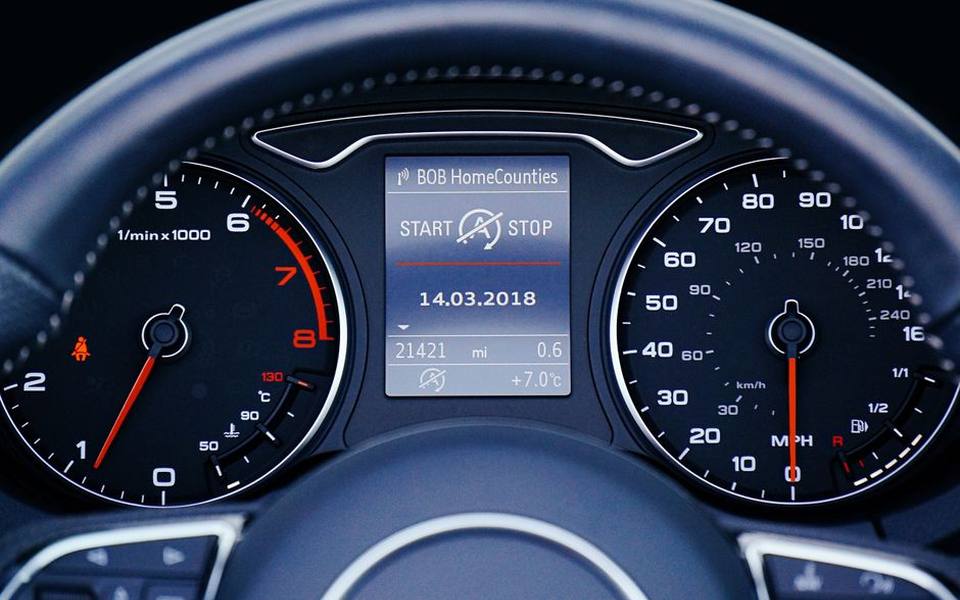
Per-mile charges usually begin the moment the truck pulls away from the pickup point, though in remote rural settings, some companies also charge for portal-to-portal transit from their storage facility. Mileage rates depend on regional operating costs, diesel fuel averages, and vehicle size; a standard passenger car flatbed typically incurs far lower mileage rates than a fifty-ton commercial wrecker carrying a loaded delivery truck down an interstate corridor.
Additional variables routinely alter the final bill. Emergency roadside service outside standard business hours, such as midnight calls, weekend holidays, or severe weather conditions, often carries an after-hours surcharge. Winching time, dollies deployment, lost-key linkage neutral overrides, and highway toll charges are routinely itemized separately on the final invoice.
Avoiding Hidden Surcharges and Finding Budget Options
Drivers searching for a low cost tow truck under emergency stress are particularly vulnerable to predatory billing practices. When calling around for local rates, ask specifically for the total out-the-door price rather than just the hookup fee. A company offering an unusually cheap base rate may easily compensate by charging double the average mileage rate or tacking on undisclosed administrative, fuel surcharge, and equipment-locking fees.
If you are seeking a discount tow truck option, scheduling a non-emergency transport during regular business hours provides the greatest bargaining power. Towing companies frequently experience mid-day scheduling lulls between early morning commuter breakdowns and evening rush hours. If your car is parked safely in a driveway rather than stranded on an interstate shoulder, dispatchers are often willing to offer a competitive flat rate to fill downtime.
Never sign a blank work order or dispatch slip presented by an unknown driver who appears unprompted at an accident scene. In many metropolitan areas, rogue operators monitor police scanners to arrive before official municipal help, pressuring vulnerable motorists into unauthorized tows. Once hooked, these operators can haul the car to private impound yards that charge exorbitant daily gate and storage fees to release the vehicle.
When Broken Vehicles Are Not Worth Towing to a Repair Shop
There comes a point where the cost of hauling a disabled vehicle to an automotive repair shop makes zero financial sense. If a high-mileage commuter car suffers a thrown rod, blown transmission, or catastrophic frame rot, spending two hundred dollars on towing simply to receive a three-thousand-dollar repair estimate is throwing good money after bad. In these scenarios, transferring the title directly to an auto recycler is the smarter path.
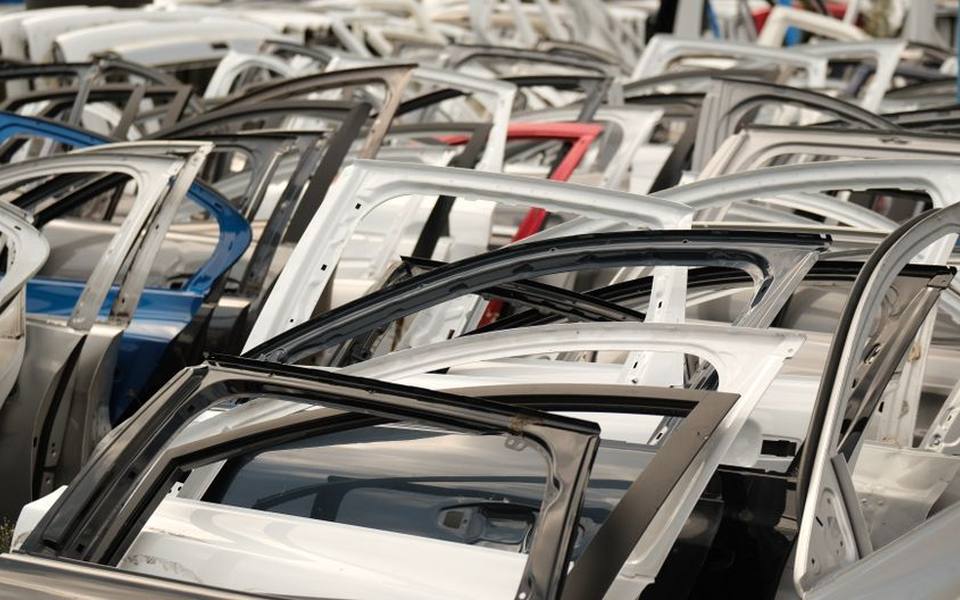
Many car owners do not realize that searching for junk car removal with free towing eliminates transportation expenses entirely. Professional scrap buyers and salvage operators provide flatbed removal directly from your curb, driveway, or workplace, deducting hauling overhead from their operating costs rather than your pocketbook while paying you cash on the spot based on scrap metal weight and salvageable parts.
Working directly with licensed junkyards that buy cars allows you to bypass secondary storage yard bills and repair diagnostic fees. Rather than towing the vehicle from shop to shop seeking second opinions, you can consult local salvage yards and auto recyclers across our directory to arrange direct pickup. This closes out your registration liabilities cleanly while putting liquid funds back toward your replacement vehicle.
Preparing Your Vehicle Before the Rig Pulls Up
Taking proactive steps while waiting for the wrecker saves valuable minutes on the roadside and protects your personal belongings. First, remove all essential valuables, insurance paperwork, house keys, and toll transponders from the cabin. Once a vehicle enters a commercial storage lot or busy repair depot, accessing the glove compartment can require identity verification, gate escorts, or restricted weekday operating hours.
If the vehicle's electrical system still functions, straighten the front wheels and shift the transmission into neutral if parked on level pavement. Straight steering wheels allow the operator to winch the vehicle smoothly straight onto the rollback bed without pulling against locked tie rods. If you possess wheel lock keys or secondary ignition keys, have them resting on the center console ready for the recovery driver.
Stay clear of traffic while the operator works. Standing between a disabled car and the tow truck is an extremely hazardous place to be on an open highway shoulder. Move behind the highway guardrail or remain inside the wrecker cab if invited by the driver, keeping emergency hazard flashers illuminated until the wrecker's high-visibility amber strobe lights take command of the scene.
Rights and Consumer Protections During Highway Tows
Every state maintains strict consumer protection laws regarding involuntary towing, maximum mileage tariffs, and vehicle lien procedures. If an officer orders your car towed from a crash or breakdown because it poses an immediate road hazard, you retain the legal right to designate your preferred repair garage or home driveway, provided the distance is reasonable and the driver agrees to your destination.
In most jurisdictions, municipal regulations mandate a drop fee provision for private property or parking enforcement situations. If you return to your vehicle while the operator is hooking it up but before the truck has completely departed the lot onto a public roadway, the company is typically required by law to release the car for a capped drop fee, which is significantly lower than a full impound balance.
Before parting ways with your car, ensure you receive a signed copy of the bill of lading or towing manifest. This receipt must list the towing company’s legal name, motor carrier number, driver name, vehicle storage address, and a detailed breakdown of all assessed charges. Reviewing this paperwork immediately protects you against unauthorized storage yard markups or disputed handling damage down the line.
Published 2026-09-22 · reviewed with each rebuild, last October 2026.
Find junkyards & auto parts stores near you
The directory lists 48,061 junkyards & auto parts stores by state and city — pick your state or use the “Near me” button in the header.
More guides
-
 Money
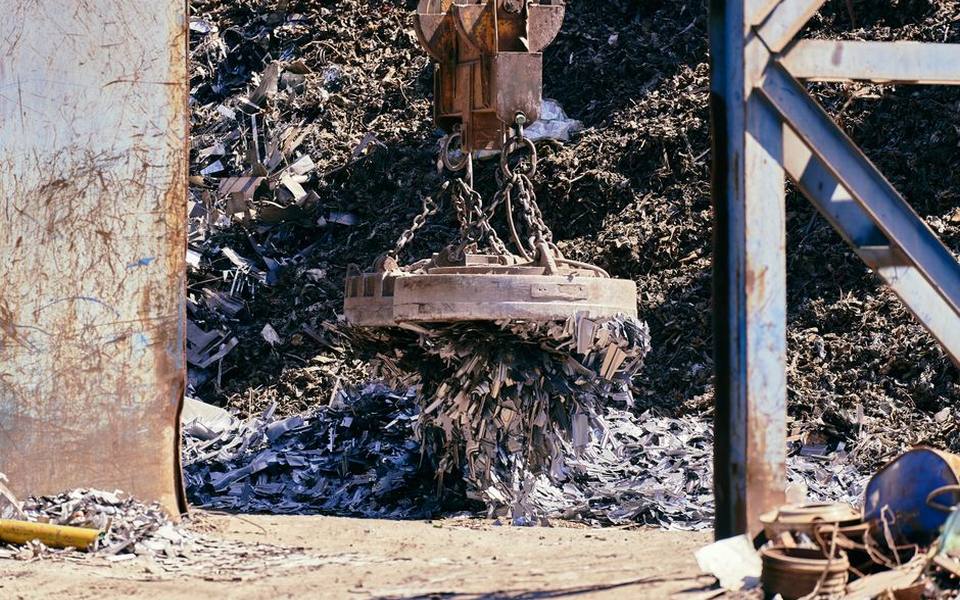
MoneyGuide to Scrap Metal Prices and Recycling Rates
-
 Money
MoneyScrap Copper and Brass Pricing Guide: Grades, Cables, and Tubing
-
 Money
MoneyScrap Aluminum Value Guide: Rims, Cans, and Sheet Metal Prices
-
 Money
MoneySpecialty Scrap Metal Guide: Stainless Steel, Cast Iron, and Lead
-
 Money
MoneyHow Much Do Junkyards Pay for Junk Cars? Complete Valuation Guide
-
 Buying
Buying Used vs Rebuilt Vehicle Transmissions and Engines from Junkyards
-
 Money
MoneyTow Truck Service Costs and Junkyard Haul-Away Fees Explained
-
 Buying
Self-Service Junkyard Parts Guide: Price Lists and Yard Tips
-
 Buying
How to Navigate Auto Salvage Yards, Pick-Your-Part Lots, and Online Inventories
-
 Buying
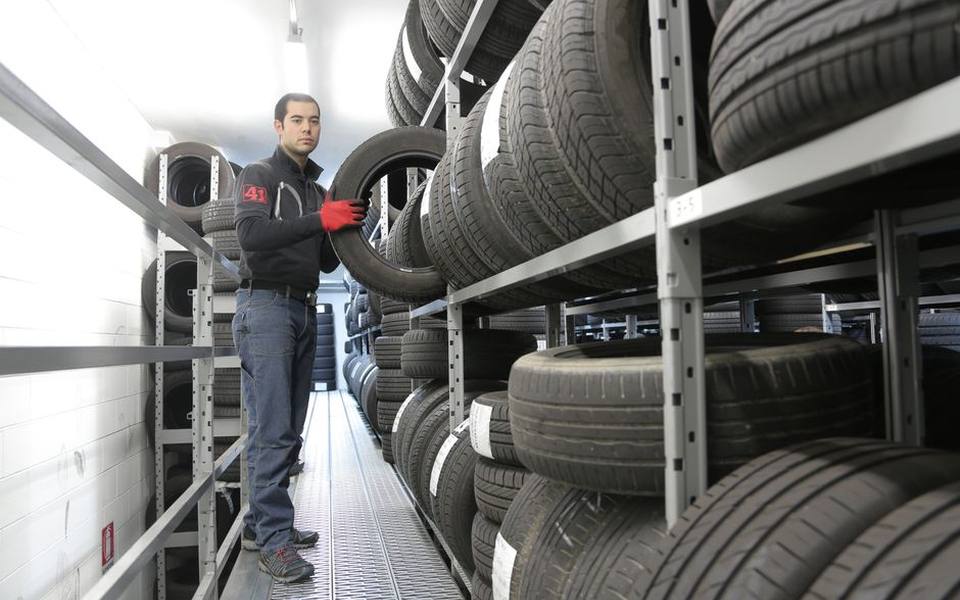
Complete Buying Guide to Used Tires and Rims
-
 Money
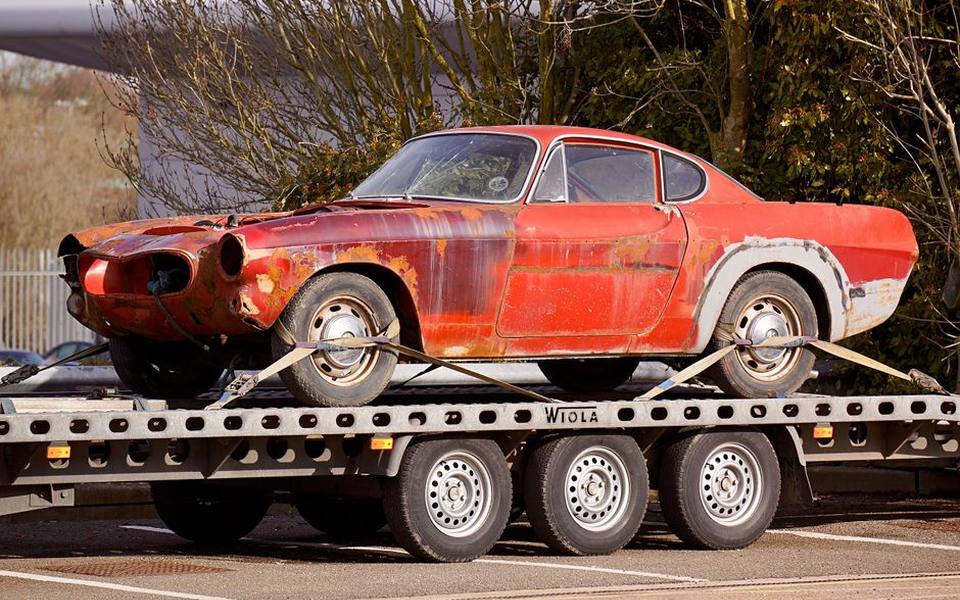
MoneyHow to Get Cash for Junk Cars: Salvage Values, Title Rules, and Clunker Programs
-
 Buying
How to Buy Cars at Police Impound and Tow Lot Auctions
-
 Money
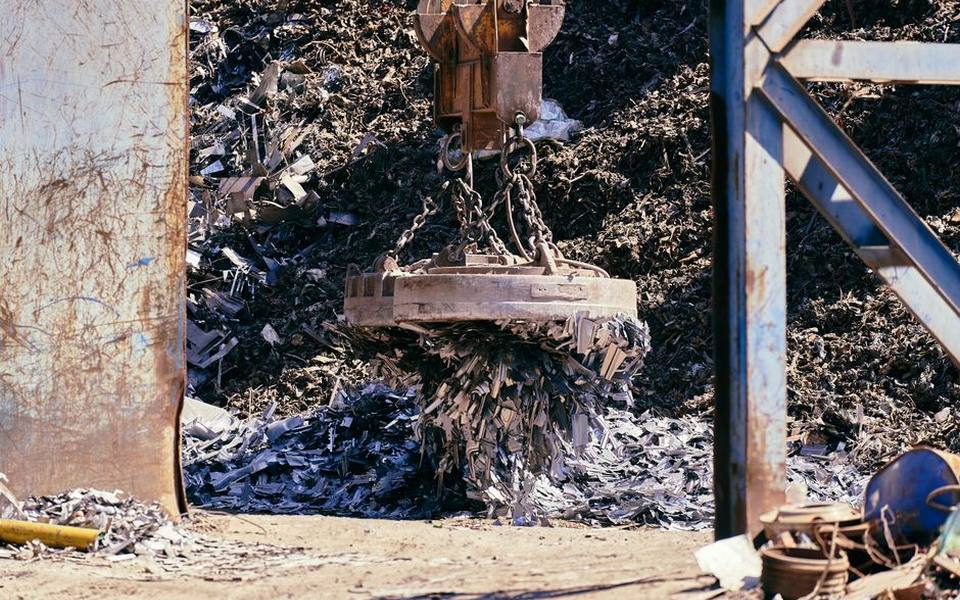
MoneyScrap Steel and Scrap Metal Prices Guide: Value per Pound and Ton
-
 Buying
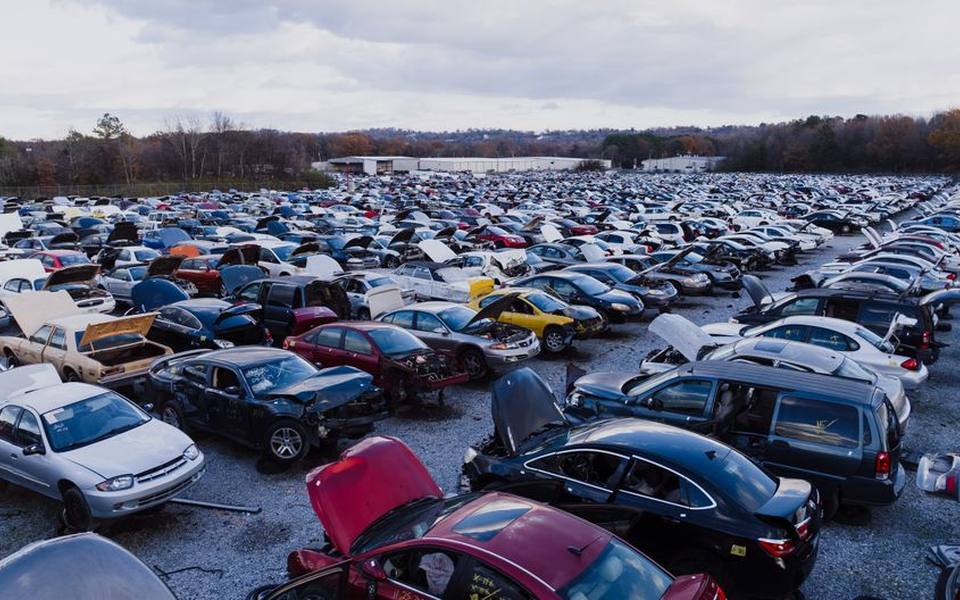
Insurance & Salvage Auto Auctions: Copart, IAAI, and Wrecked Car Buying
-
 Money
MoneyDonating a Vehicle to Charity: Tax Deductions, IRS Rules, and Avoiding Scams