How donating a car actually works
Donating an unwanted car sounds straightforward, but the operational process rarely involves handing keys directly to a volunteer who drives your old sedan to feed the hungry. In reality, almost every automobile charity donation is managed through specialized third-party commercial fundraisers or wholesale auction liquidators who collect the vehicle, sell it, and pass a percentage of the cash to the designated non-profit.
When you schedule a car turnover, a transport company picks up the vehicle, hauls it away, and places it into an auto auction, a recycling network, or a wholesale dismantling pipeline. The charity typically receives the net revenue after towing fees, processing surcharges, and management cuts are deducted, which can range widely depending on how the organization structured its contract with the processing broker.
Understanding this mechanic is essential because your write-off amount does not depend on blue book estimates when the car is sold at auction. Instead, the final deduction hinges directly on the exact gross selling price achieved on the auction block, which shapes the documentation the charity provides for your tax return.
Understanding the IRS fair market value rules
The Internal Revenue Service strictly governs how much value you can claim when you release an automobile to a 501(c)(3) organization. If the non-profit sells the vehicle at wholesale or auction—which happens in the vast majority of cases—your deduction is capped precisely at the gross sales proceeds from that transaction, regardless of standard private-party pricing guide valuations.

There are rare exceptions where you can write off the full fair market value. You may deduct the car's current private value if the organization intends to retain and make significant intervening use of it for operational work, if they make substantial material improvements before resale, or if they give or sell it below market value directly to a needy individual to fulfill their charitable mission.
For non-operational clunkers that sell for under five hundred dollars, the IRS allows you to claim either the vehicle's fair market value up to five hundred dollars or the actual sales price, whichever is lower. Knowing these brackets prevents unpleasant tax surprises when filing annual itemized returns.
Required documentation and IRS Form 1098-C
To write off an automobile donation on federal taxes, you cannot simply save a tow truck receipt. The organization must supply you with a formal contemporaneous written acknowledgment within thirty days of the vehicle's sale, usually delivered via IRS Form 1098-C or an equivalent statement bearing the same legal disclosures.
Form 1098-C requires key details: your full legal name, taxpayer identification number, vehicle identification number (VIN), exact sale date, and the gross dollar figure generated at resale. If your claimed deduction exceeds five hundred dollars, you must attach this form directly to IRS Form 8283 when submitting your federal tax filings.
For deductions topping five thousand dollars on high-end vehicles where fair market value applies, the IRS demands an independent certified appraisal obtained no earlier than sixty days prior to handing over the vehicle. Skipping this appraisal step forfeits the entire tax credit in the event of an audit.
Evaluating popular charitable categories
When selecting where to send your vehicle, donors frequently consider broad community causes such as children's hospital support, vocational training foundations, or a dedicated veterans auto donation program. While these causes do admirable community work, administrative efficiency varies tremendously across individual organizations bearing similar names.
Community initiatives such as a good will car donation channel proceeds into workforce training, job placement programs, and local thrift networks that support local families. Similarly, youth-focused vehicle donation drives fund educational grants, mentoring programs, or specialized pediatric medical treatments for low-income households across the country.
Before selecting an organization, check how much of the vehicle liquidation cash actually reaches direct services versus marketing expenses. Aggressive billboard campaigns, radio jingles, and television infomercials eat away substantial chunks of every gross vehicle dollar before any charitable mission receives funding.
How to verify genuine non-profits and avoid scams
The vehicle donation space attracts middleman aggregators who masquerade as genuine philanthropies. These for-profit brokerages establish glossy marketing fronts that funnel as little as ten to fifteen percent of auction revenue to an actual charity, pocketing the rest as administrative management overhead.

Protect yourself by asking the organization for their exact IRS Employer Identification Number (EIN) and cross-referencing it against public 501(c)(3) tax registries before releasing paperwork. Legitimate non-profits gladly furnish their annual Form 990 filings, which clearly document their operational program expense ratios and executive compensation packages.
Be wary of private companies that offer excessive grocery gift cards, vacation vouchers, or guaranteed inflated write-offs in exchange for your title. These offers often flag unethical brokers using high-pressure tactics while providing questionable tax paperwork that triggers audit flags.
Title transfer rules and protecting your legal liability
Signing over a title for an automobile charity donation requires the exact same legal diligence as selling to a private buyer. Never leave the buyer or assignee field blank on the title document; signing an open title creates a dangerous legal loophole where your name stays tied to the car as it moves through auction lots.
If an intermediary neglects title updates and leaves the vehicle parked illegally or gets into an accident, impound notices and liability tickets will land squarely in your mailbox. Always write the legal name of the registered charitable group or their officially licensed processing agent directly on the title document at handoff.
Immediately after the tow truck leaves, submit a notice of transfer or release of liability form to your state Department of Motor Vehicles. In most states, this can be handled online within ten minutes, legally severing your financial and civil exposure from that exact timestamp onward.
Comparing charity donation against selling to salvage yards
Before signing over a title, run the financial math against practical cash alternatives. A tax deduction is not a direct tax credit; it merely reduces your taxable income bracket. If you claim the standard deduction on your taxes—which roughly ninety percent of taxpayers do—a car donation delivers zero federal tax benefit whatsoever.
For an owner in the twenty-two percent tax bracket, an auction sale of six hundred dollars only saves around one hundred and thirty-two dollars on their tax return, provided they already itemize deductions. In many instances, calling local operators who handle cash for cars yields three to four hundred dollars in hard currency right at the curb.
If you want to maximize community impact, selling the vehicle outright to private buyers or salvage networks and writing a direct personal cash check to your preferred local charity often yields a significantly higher net financial benefit for both you and the organization.
Handling non-running clunkers and scrap metal values
Charities accept non-running vehicles, but broken cars present specific logistics challenges. When a vehicle lacks a working transmission or engine, auction brokers cannot sell it to retail buyers, leaving industrial recycling and material salvage as the only viable exit paths.
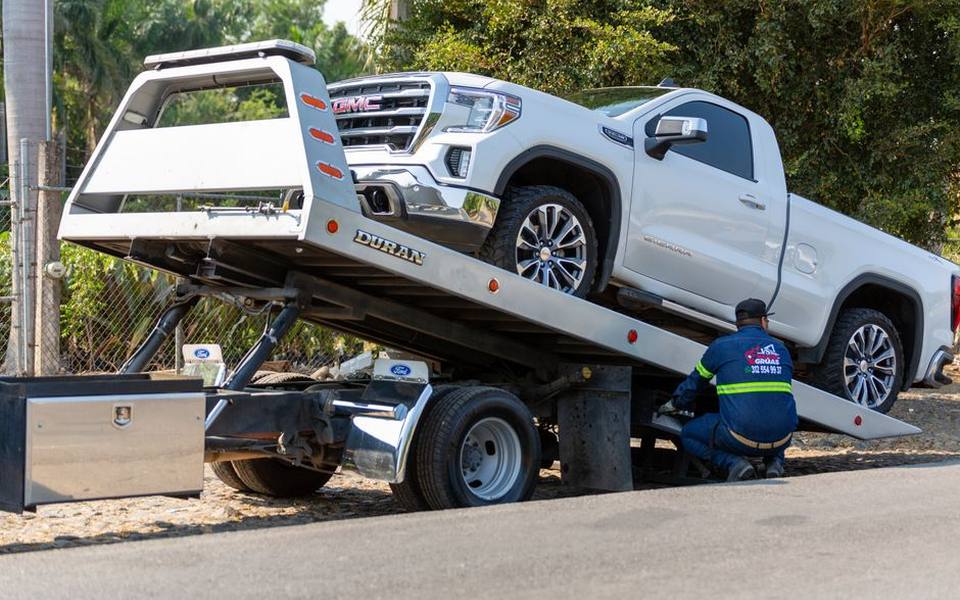
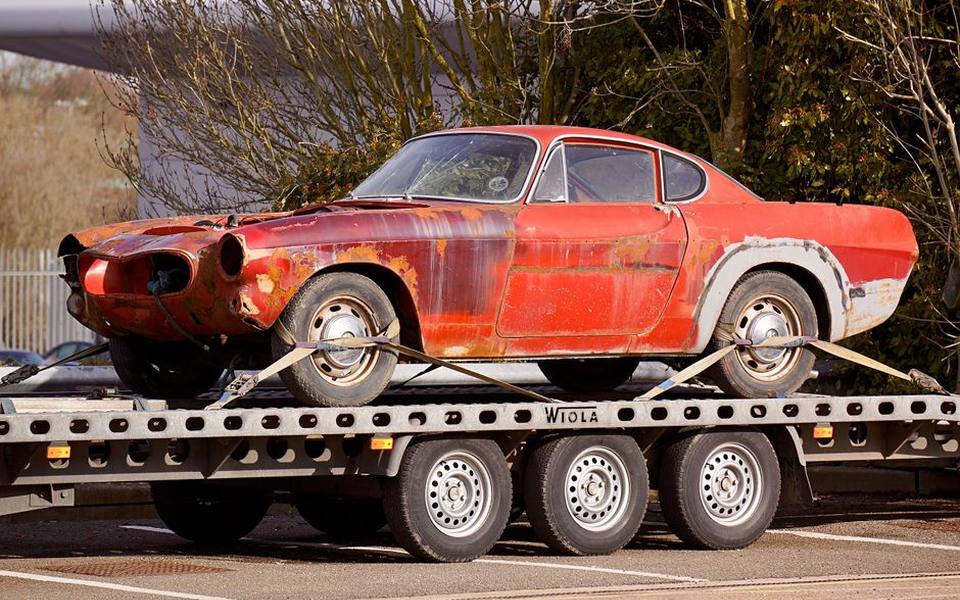
In these cases, tow contractors deliver the vehicle to facilities focused on scrap metal buying or trade auctions where cars are broken down for core materials. Tow fees for immobilized vehicles can exceed one hundred and fifty dollars, which is deducted entirely from the charity's ultimate payout.
If an inoperable car has usable components, facilities that maintain a searchable online parts inventory or offer u-pull-it self-service access pay dependable baseline rates. Checking those local scrap and salvage prices first helps you determine whether donating or scrapping delivers the better overall outcome.
Arranging collection and navigating tow logistics
When finalizing your donation, ensure the transport process incurs zero out-of-pocket expenses for your household. Reputable car donation charities offer free towing for junk cars directly from your driveway, garage, or repair shop parking bay.
Before the transporter arrives, strip the vehicle clean of all personal property. Check the glove box, center console, trunk spare tire well, and sunglasses compartments, and remove toll transponders and garage door openers. Always remove your license plates before the driver departs, as most states require plates returned directly to the tag office or destroyed.
Obtain a signed handoff receipt from the tow operator verifying the date, vehicle VIN, mileage reading, and tow carrier business credentials. This receipt acts as your interim proof of release while you await the final Form 1098-C packet after auction completion.
Final checklist before releasing your vehicle
Donating an automobile should be a rewarding closure to years of vehicle ownership, but verifying every procedural requirement ensures you stay protected. First, double-check that you hold a clear, lien-free title in your legal name; charities cannot process donations with active bank liens or missing ownership documents without lengthy legal reassignments.
Next, verify the exact operational track record of your selected non-profit using third-party charity evaluators to ensure your gift supports real social work rather than call center administration. Keep all paperwork organized in your tax files alongside photos of the vehicle's interior and exterior condition taken the day of pickup.
Whether you partner with national non-profit networks or explore salvage auto parts and junk car buying yards across the country, knowing vehicle salvage values, title regulations, and IRS deduction standards gives you complete control over your assets.
Published 2026-09-23 · reviewed with each rebuild, last October 2026.
Find junkyards & auto parts stores near you
The directory lists 48,061 junkyards & auto parts stores by state and city — pick your state or use the “Near me” button in the header.
More guides
-
 Money
MoneyGuide to Scrap Metal Prices and Recycling Rates
-
 Money
MoneyScrap Copper and Brass Pricing Guide: Grades, Cables, and Tubing
-
 Money
MoneyScrap Aluminum Value Guide: Rims, Cans, and Sheet Metal Prices
-
 Money
MoneySpecialty Scrap Metal Guide: Stainless Steel, Cast Iron, and Lead
-
 Money
MoneyHow Much Do Junkyards Pay for Junk Cars? Complete Valuation Guide
-
 Buying
Buying Used vs Rebuilt Vehicle Transmissions and Engines from Junkyards
-
 Money
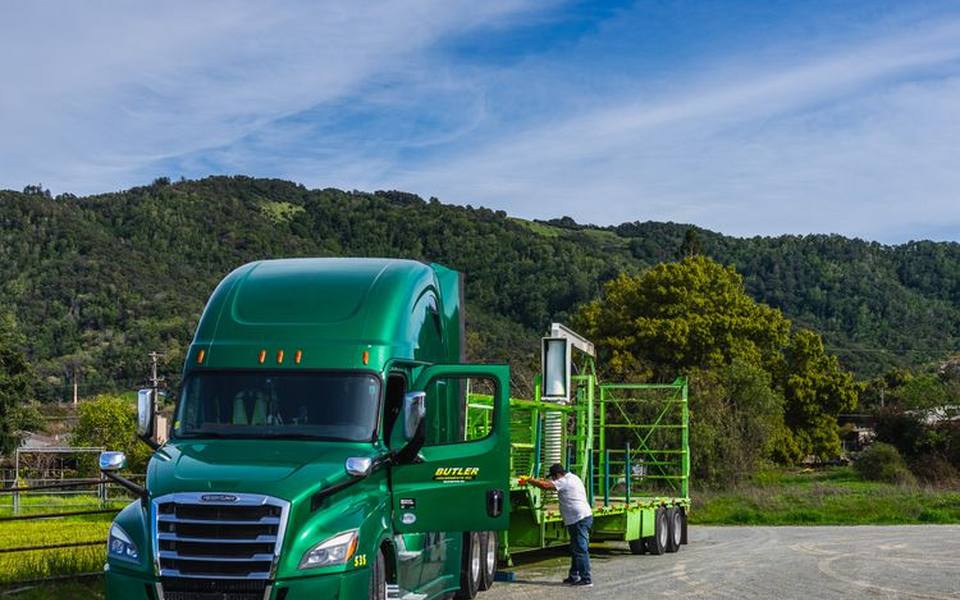
MoneyTow Truck Service Costs and Junkyard Haul-Away Fees Explained
-
 Buying
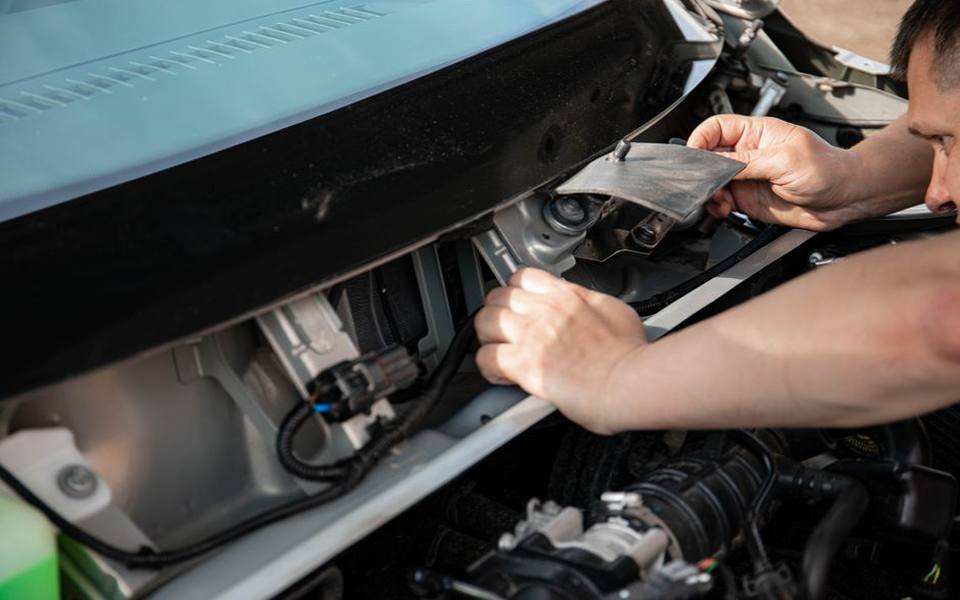
Self-Service Junkyard Parts Guide: Price Lists and Yard Tips
-
 Service
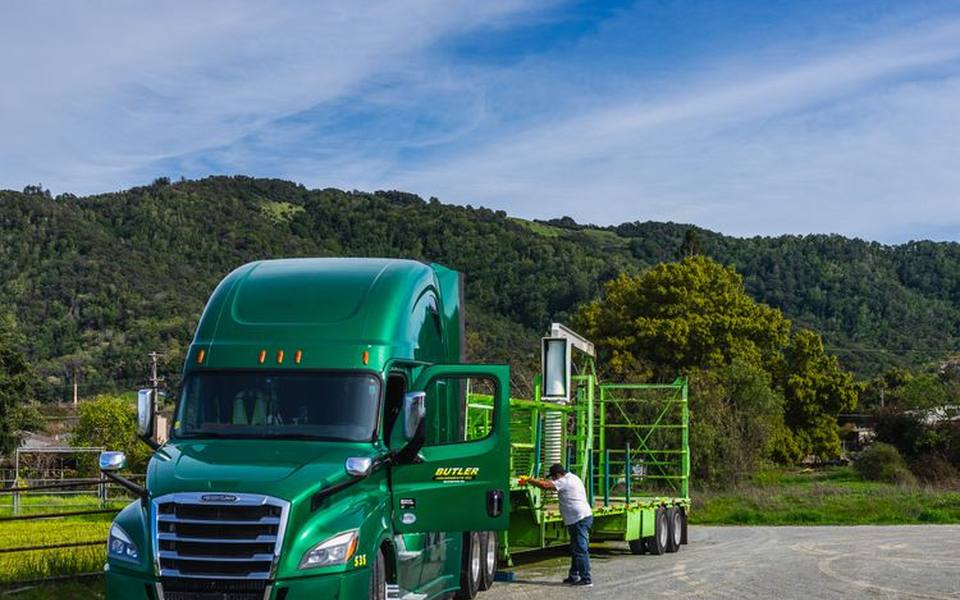
Emergency & Heavy-Duty Towing Services: Costs, Flatbeds, and Towing Companies
-
 Buying
How to Navigate Auto Salvage Yards, Pick-Your-Part Lots, and Online Inventories
-
 Buying
Complete Buying Guide to Used Tires and Rims
-
 Money
MoneyHow to Get Cash for Junk Cars: Salvage Values, Title Rules, and Clunker Programs
-
 Buying
How to Buy Cars at Police Impound and Tow Lot Auctions
-
 Money
MoneyScrap Steel and Scrap Metal Prices Guide: Value per Pound and Ton
-
 Buying
Insurance & Salvage Auto Auctions: Copart, IAAI, and Wrecked Car Buying