Where Impounded and Seized Vehicles Come From
Every municipality in the country handles thousands of displaced vehicles each month. When local law enforcement or municipal code enforcement officers order a vehicle towed, it lands in a private contract storage facility or a designated city impound yard. These cars stem from a wide range of situations, including unpaid parking citations, expired registrations, vehicles abandoned on public roadways, drunk driving arrests, and court-ordered criminal seizures.
When an owner cannot afford the mounting towing fees and daily storage charges—or simply decides that an older vehicle is not worth redeeming—the impound operator gains the legal right to recover storage costs through public liquidation. In most states, after a mandatory waiting period ranging from thirty to ninety days, the agency publishes a public notice and prepares the unclaimed inventory for public sale.
Understanding where a vehicle originated provides critical context regarding its mechanical condition. An automobile impounded from a long-term airport parking spot might be mechanically sound with only an abandoned title status, whereas an unregistered car pulled from a side street may have broken down before the driver walked away. Distinguishing between municipal tow abandonments and targeted law enforcement actions helps buyers assess potential risk before placing an opening bid.
Seized Versus Abandoned Versus Repossessed Inventory
Tow yard offerings generally fall into three distinct operational categories: municipal tows, criminal forfeitures, and lender recoveries. Municipal abandoned cars make up the bulk of standard weekly impound sales. These units often suffered a major breakdown, were involved in minor collisions, or belonged to individuals who lacked the financial liquidity to pay storage fees. Expect cosmetic flaws, missing maintenance records, and interior wear.
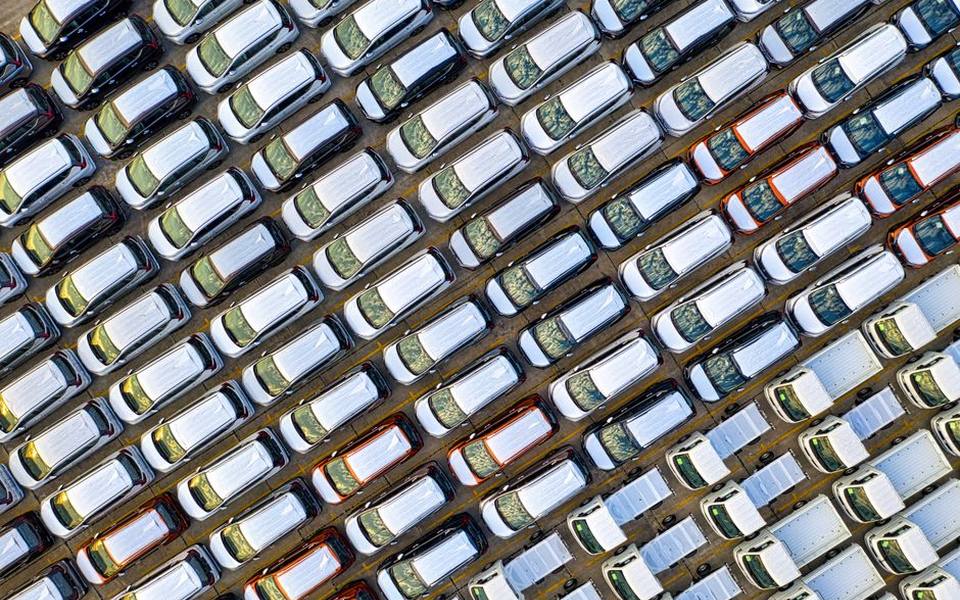
Civil asset forfeiture and narcotics seizures represent a different tier of police inventory. These vehicles were confiscated during criminal investigations rather than abandoned due to mechanical failure. While they frequently feature late-model luxury trims, clean body panels, and lower mileage, they can sit outdoors for several years while court proceedings crawl toward resolution. Extended outdoor storage creates unique decay, including ruined rubber bushings, flat-spotted tires, and electrical degradation.
Repossessed inventory sold through secondary auction channels often arrives because owners prioritized other living expenses over car payments. These units frequently run and drive, but owners who skipped financing payments routinely skipped oil changes, brake pads, and transmission services as well. Identifying which pipeline delivered the vehicle to the auction block helps you anticipate what repairs await you after the final gavel drops.
Auction Formats: On-Site Gavel Versus Municipal Online Portals
Traditionally, impound auctions took place entirely in the yard on Saturday mornings, with a licensed auctioneer standing on the bed of a pickup truck rolling from stall to stall. While live, on-site bidding still exists in many rural counties and smaller municipalities, major metropolitan areas have shifted heavily toward online government surplus platforms and digital liquidation vendors.
Online sales require bidders to register several days in advance, upload government identification, and frequently place a refundable credit card deposit before placing any bids. Digital auctions typically feature multiple high-resolution photos, brief video clips of running engines when possible, and basic notations regarding key availability. However, online bidding attracts a broader regional audience, often driving final prices closer to wholesale dealer values.
In-person live yard auctions move at a blistering pace, often selling fifty to one hundred cars in a single morning. These live sales favor prepared buyers who attend preview hours, understand real-time body language, and can make split-second decisions without second-guessing their budgets. In both formats, winning bids represent legally binding contracts that require prompt payment via certified funds, cash, or cashier checks within twenty-four to forty-eight hours.
The Inspection Window: Working Within Yard Restrictions
The preview window is the single most critical phase of purchasing from an impound lot, yet it is also the most restrictive. Impound staff do not permit test drives under any circumstances. In most jurisdictions, visitors are strictly barred from bringing floor jacks, hand tools, or power equipment onto the lot due to insurance liability regulations.
Despite these limitations, an observant bidder can extract an enormous amount of information in five minutes. Carry a bright LED inspection flashlight, an automotive mirror, a compact jump starter if the facility permits battery testing, and an OBD-II code scanner that operates on internal battery power. Look closely through the window at the instrument cluster to note mileage digits, check for dashboard warning lights if auxiliary power turns on, and verify the physical condition of pedals and upholstery.
Examine the engine bay without unbolting parts. Look for fresh fluid pooling under the front crossmember, oil weeping along valve cover gaskets, missing belts, loose wire harnesses, and mismatched components that point to amateur roadside repair attempts. Inspect the coolant overflow bottle: dark, oily residue or milky sludge suggests a blown head gasket, which turns an apparent bargain into a catastrophic loss.
Recognizing Red Flags in the Impound Yard
Because impound vehicles sit untouched in exposed lots for weeks or months, environmental cues reveal their real-world reliability. Check the brake rotors: light surface haze forms within forty-eight hours of damp weather, but thick, flaky rust scaling across the contact surface indicates the vehicle has sat motionless for many months or even years before being towed.
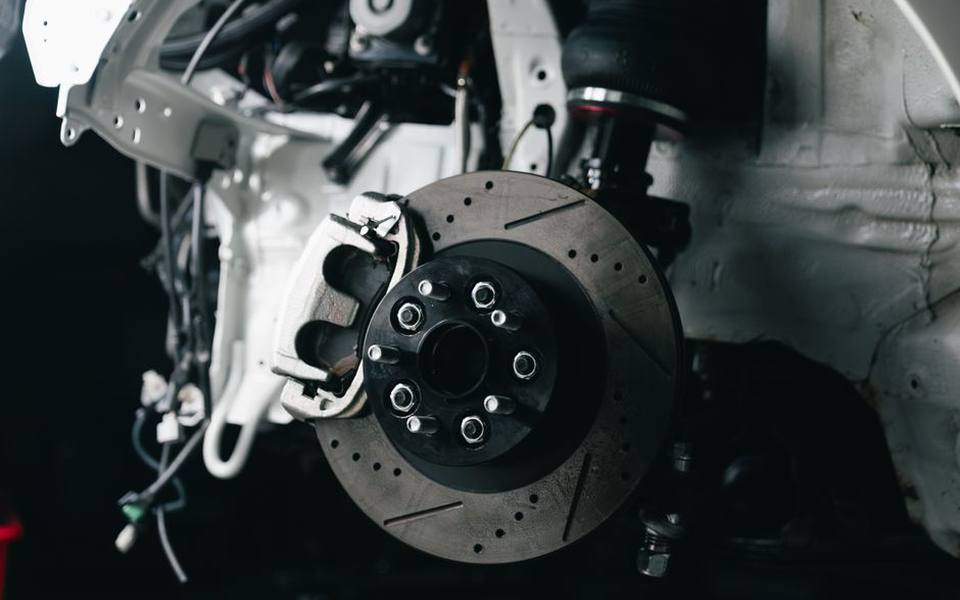
Crawl low to look beneath the chassis with your flashlight. In urban areas, impound yards are common hunting grounds for catalytic converter thieves, and a car towed for street parking violations may have lost its exhaust system long before arriving at the yard. Additionally, check for crushed pinch welds, bent lower control arms, or mangled oil pans, which frequently occur when hasty tow truck drivers drag disabled vehicles without dollies.
Water intrusion is another silent vehicle killer. Musty smells, water lines along lower door carpets, white salt rings on floorboards, or cloudy headlight lenses indicate standing water or flood contamination. If a car shows window tape holding up glass, rain has likely saturated the interior harness, creating phantom electrical faults that no scan tool will readily decipher.
Title Classifications, Liens, and Document Processing
Securing a winning bid does not immediately translate into driving the vehicle home with a clean title. Municipalities issue specific paperwork depending on how the car was acquired and state vehicle codes. You will typically receive a municipal certificate of sale, an impound bill of sale, or a certificate of forfeiture rather than a traditional signed title from the previous registered owner.
In most states, an impound auction bill of sale strips away all previous private liens held by banks, mechanics, or title loan companies by operation of statute. However, the resulting title issued by your local motor vehicle agency may carry a salvage, junk, or abandoned brand depending on state regulations and the age of the vehicle. If the paperwork designates the car for parts only or salvage export, converting it back to regular road-use registration requires a formal safety and VIN inspection.
Before bidding, confirm whether the vehicle has keys. Many impound cars arrive on a hook without keys. Modern transponder keys, keyless fobs, and encrypted immobilizer modules routinely cost between two hundred and eight hundred dollars to cut and program by a mobile automotive locksmith, a cost that must be deducted from your maximum ceiling price.
Hidden Costs: Buyer Premiums, Gate Fees, and Towing
The gavel price at an impound auction rarely reflects your out-of-pocket total. Auction companies charge an administrative buyer premium that typically runs between ten and twenty percent of the winning bid. Cities frequently tack on municipal documentation fees, state environmental processing charges, and statutory sales tax based on the final transaction amount.
Furthermore, impound yards do not allow winning bidders to repair flat tires, swap alternators, or drive unlicensed cars off the property. Every vehicle sold without current street registration and validated road insurance must leave the yard on a licensed flatbed or wheel-lift tow truck. Tow companies operating outside the gate know this rule and charge premium flat-rate fees for short-distance load-outs.
Factor in the immediate cost of baseline mechanical recovery. A car that has sat without movement requires a new twelve-volt battery, fresh engine oil, clean fuel to dilute stale gas, brake system bleeding, and often four fresh tires to pass basic road safety inspections. Budgeting an additional eight hundred to twelve hundred dollars on top of your bid price is standard practice for seasoned auction regulars.
Developing a Tactical Bidding Strategy
Competition at municipal tow sales is distinct from dealer wholesale channels. You will share the bidding floor with used car curbstoners, professional salvage yard buyers looking for core parts, scrap processors, and DIYers hunting for cheap work beaters. Commercial scrap buyers calculate their bids directly against the curb weight of the car, setting an effective floor price for every listing based on prevailing scrap metal values.
Establish an absolute maximum ceiling price for every car on your list before bidding begins, and stick to it rigidly. It is easy to get caught up in rapid bidding cadence and overpay for a car that carries unknown transmission health. If a car pushes beyond your calculated threshold, let the competing bidder take the financial risk and move to the next item on your run sheet.
Target vehicles that professional flippers overlook. Older domestic sedans, base-trim utilitarian pickup trucks, and vehicles with minor cosmetic body dents often draw less attention from commercial resellers who want clean late-model imports with high resale margins. These unglamorous models often provide the most dependable mechanical value for private buyers willing to fix cosmetic blemishes themselves.
First Forty-Eight Hours: Reviving an Impound Car
Once the flatbed drops your auction purchase in your driveway or shop, avoid the temptation to crank the starter immediately. A vehicle that has sat idle for months has drained fuel lines and dry cylinder walls. Pull the dipstick to check oil level and viscosity, ensure the crankcase is not overfilled with coolant or gasoline, and turn the engine over by hand with a breaker bar on the crankshaft bolt to verify it is not seized.
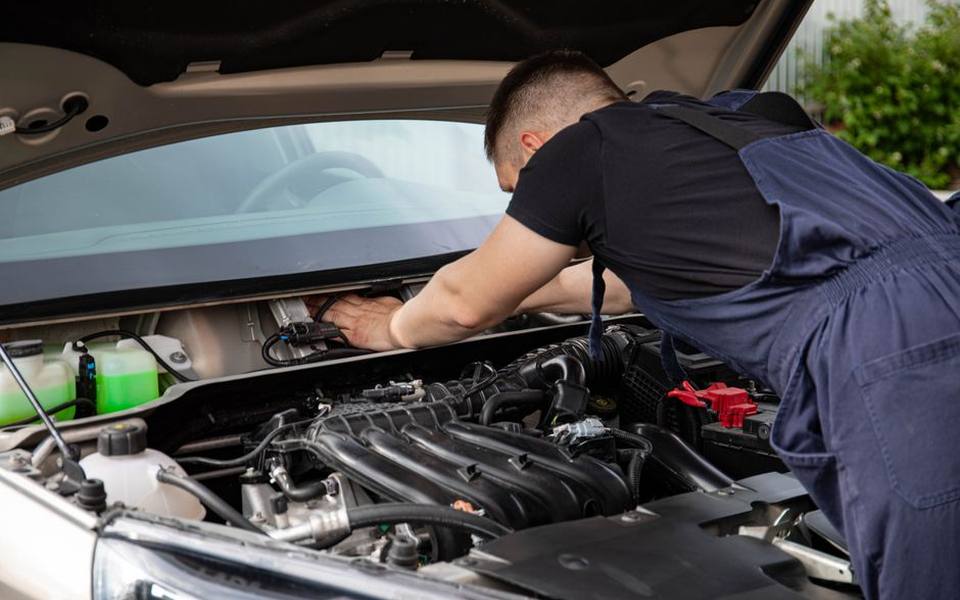
Drain old, varnished fuel if the car sat for a lengthy period, install a fresh battery with cleaned terminal clamps, and prime the fuel system several times before engaging the starter. Once the engine fires, monitor oil pressure gauges and exhaust color closely. Blue exhaust smoke indicates valve stem seals or piston ring wear, while persistent sweet-smelling white exhaust confirms coolant burning in the combustion chamber.
If you discover that the vehicle requires a replacement engine, transmission, or wiring harness, you do not have to buy retail parts. Exploring U-Pull-It Junkyards gives you access to inexpensive salvage components, sensors, and trim from donor vehicles. Sourcing parts yourself keeps your overall project budget viable even when unexpected repairs surface.
When to Walk Away or Liquidate a Mistake
Even the most meticulous vehicle inspectors occasionally buy a vehicle with irreparable hidden damage. If your post-purchase inspection reveals bent unibody frame rails, severe structural rust through floor pans, or a burned-out transmission that exceeds the street value of the car, do not fall victim to the sunk cost fallacy by continuing to pour money into a hopeless project.
When an impound purchase turns out to be a dead end, your best move is fast liquidation to minimize storage space and recover working capital. You can strip valuable components such as clean body panels, functional alternators, or intact glass, or sell the entire unit to local auto recyclers and salvage yards. These businesses value vehicles for their core mechanical parts and raw materials.
If the vehicle is completely inoperable and you cannot move it yourself, contacting junkyards that buy cars allows you to collect cash for the title while utilizing free towing services to clear the vehicle out of your driveway. Knowing your exit strategy before entering the auction ensures that a single bad purchase will never derail your personal finances.
Published 2026-09-23 · reviewed with each rebuild, last October 2026.
Find junkyards & auto parts stores near you
The directory lists 48,061 junkyards & auto parts stores by state and city — pick your state or use the “Near me” button in the header.
More guides
-
 Money
MoneyGuide to Scrap Metal Prices and Recycling Rates
-
 Money
MoneyScrap Copper and Brass Pricing Guide: Grades, Cables, and Tubing
-
 Money
MoneyScrap Aluminum Value Guide: Rims, Cans, and Sheet Metal Prices
-
 Money
MoneySpecialty Scrap Metal Guide: Stainless Steel, Cast Iron, and Lead
-
 Money
MoneyHow Much Do Junkyards Pay for Junk Cars? Complete Valuation Guide
-
 Buying
Buying Used vs Rebuilt Vehicle Transmissions and Engines from Junkyards
-
 Money
MoneyTow Truck Service Costs and Junkyard Haul-Away Fees Explained
-
 Buying
Self-Service Junkyard Parts Guide: Price Lists and Yard Tips
-
 Service
Emergency & Heavy-Duty Towing Services: Costs, Flatbeds, and Towing Companies
-
 Buying
How to Navigate Auto Salvage Yards, Pick-Your-Part Lots, and Online Inventories
-
 Buying
Complete Buying Guide to Used Tires and Rims
-
 Money
MoneyHow to Get Cash for Junk Cars: Salvage Values, Title Rules, and Clunker Programs
-
 Money
MoneyScrap Steel and Scrap Metal Prices Guide: Value per Pound and Ton
-
 Buying
Insurance & Salvage Auto Auctions: Copart, IAAI, and Wrecked Car Buying
-
 Money
MoneyDonating a Vehicle to Charity: Tax Deductions, IRS Rules, and Avoiding Scams