What salvage yards typically pay for end-of-life vehicles
Most auto salvage yards pay anywhere from $150 to $500 for a standard passenger car, though full-size pickups, large SUVs, and commercial vans typically fetch between $400 and $800 due to their greater weight. If a vehicle is relatively late-model, carries intact body panels in high demand, or has an undamaged engine and transmission, offers can occasionally surpass $1,000. Conversely, heavily rusted shells or stripped frames often land closer to minimum raw material rates.
The baseline valuation starts with the car's curb weight. Automotive scrap steel trades on regional commodities markets, meaning quotes shift week to week based on global iron and steel demand. When scrap prices per ton rise, every vehicle on the lot gains nominal value regardless of whether it runs, while market downturns immediately suppress yard purchase offers.
Yard buyers also categorize inventory into vehicles destined solely for the baler and those with resale value on the salvage lot. A heavily rusted sedan with blown mechanicals will almost always be priced strictly by the ton. An otherwise sound vehicle sidelined by a minor electrical fault or cosmetic accident damage, however, commands a premium because individual assemblies can be resold to retail customers or body shops.
Scrap metal value versus reusable part inventory
Understanding how a buyer intends to process your vehicle explains why offers vary widely across neighboring facilities. Dedicated industrial processors and scrap metal yards primarily crush, shred, and melt vehicles down for basic raw materials. These operations care almost exclusively about net tonnage, deduction penalties for non-metallic interior materials, and current per-ton ferrous scrap rates.
In contrast, full-service recyclers and junkyards that buy cars evaluate vehicles as source inventory for replacement parts. If your car shares mechanical platforms or body contours with common models still running on local roads, components like alternators, starter motors, headlamp housings, doors, and rear axles represent solid retail margin. Those operations can afford to offer more cash because your vehicle generates months of steady parts revenue.
Trim packages and factory options also influence this equation. A work-truck base model with a generic inline engine provides fewer high-value assemblies than an extended cab optioned with an intact four-wheel-drive transfer case, premium alloy wheels, and a heavy-duty differential. When requesting a quote, mentioning specific options helps salvage estimators price beyond raw metal bulk.
Key components that dramatically change your offer
The single most valuable component on a standard scrap car is usually the original factory catalytic converter. Emission canisters contain trace amounts of precious metals, including platinum, palladium, and rhodium, which hold substantial reclamation value. An original, unhollowed converter can account for a significant fraction of the initial quote, and yards will sharply reduce their cash offer if an aftermarket substitute was installed or if the pipe was cut off entirely.
Powertrain integrity represents another substantial valuation factor. An engine and transmission that turn over smoothly, even if the vehicle is not roadworthy, can be tested and sold as complete swap units. If the motor is locked up from oil starvation or cracked by winter freezing, it drops to basic cast-iron or cast-aluminum scrap pricing.
Smaller assemblies aggregate into real cash value as well. Working lead-acid batteries, factory aluminum alloy rims, intact radiators, steering racks, and undamaged windshields save yards dismantling time and increase their salvage return. Stripping these parts off before calling for quotes usually costs you more in lowered valuation than you would gain selling them independently.
Transportation costs and vehicle removal logistics
Transportation logistics have an immediate impact on the final amount in your pocket. Towing a non-running car safely requires specialized flatbed equipment, insurance, and driver time, which typically costs an operator anywhere from $60 to $150 depending on distance. Some yards pass this cost directly to the seller by deducting transport fees from the agreed purchase figure.
To protect your net payout, look specifically for operators providing junk car removal with free towing written into the initial quote. When towing is included, make sure the dispatch agent confirms that the driver will not levy additional gate fees, fuel surcharges, or winching penalties when arriving on private property or navigating narrow driveways.
If your vehicle still starts and remains legally registered with valid insurance, driving it directly to the receiving scale can often yield an extra $50 to $100 compared to a dispatch pickup. Call ahead to confirm whether public drop-offs require an appointment and to determine which entrance houses the vehicle intake scale.
Preparing paperwork and closing the sale cleanly
A clear vehicle title in the seller's name is the most reliable way to secure a prompt payment. While some states permit older vehicles past a specific model year to transfer on a bill of sale and valid registration, having the physical title eliminates verification delays and legal liability. Without ownership paperwork, most licensed facilities cannot lawfully process the vehicle or will reduce the offer substantially to offset administrative risk.
Before the recovery truck arrives, clear out all personal belongings from the glove compartment, trunk, under-seat storage, and overhead consoles. Junkyard staff will not dig through personal clutter to retrieve toll passes, sunglasses, or parking transponders once the car enters the staging yard. Take your license plates off immediately, as most states require returning them to the licensing authority or transferring them to another vehicle.
Before accepting the first quote, contact several auto salvage and junk yards to gauge local competition. Describe your car honestly, noting whether major components like the wheels or catalytic converter are missing, and ask whether the quote is guaranteed upon inspection or subject to on-site renegotiation.
Once payment clears, notify your state licensing agency that the vehicle has been transferred for dismantlement, and cancel your auto insurance coverage effective the day of transfer.
Published 2026-09-20 · reviewed with each rebuild, last September 2026.
Find junkyards near you
The directory lists 8,707 junkyards by state and city — pick your state or use the “Near me” button in the header.
More guides
-
 Money
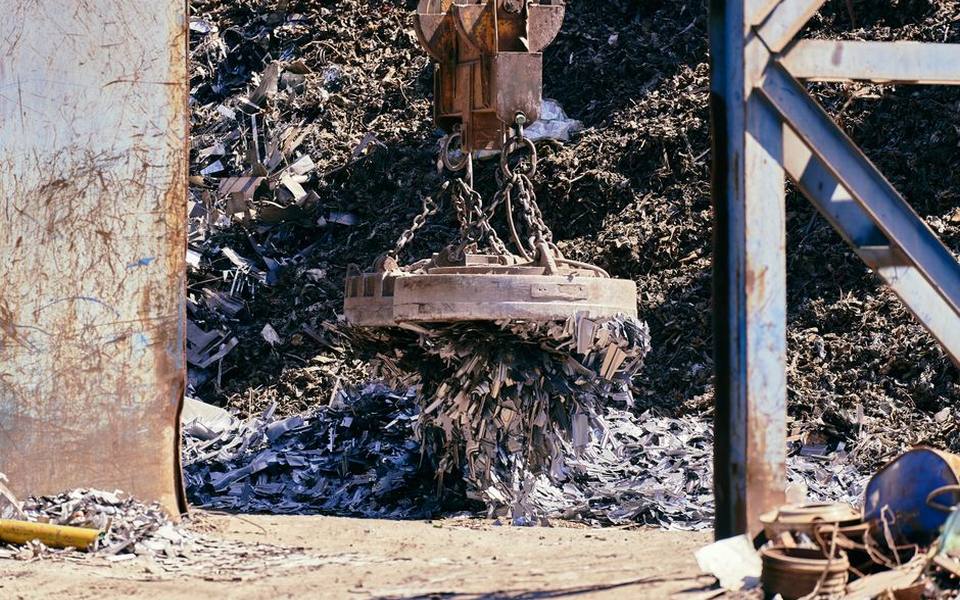
MoneyGuide to Scrap Metal Prices and Recycling Rates
-
 Money
MoneyScrap Copper and Brass Pricing Guide: Grades, Cables, and Tubing
-
 Money
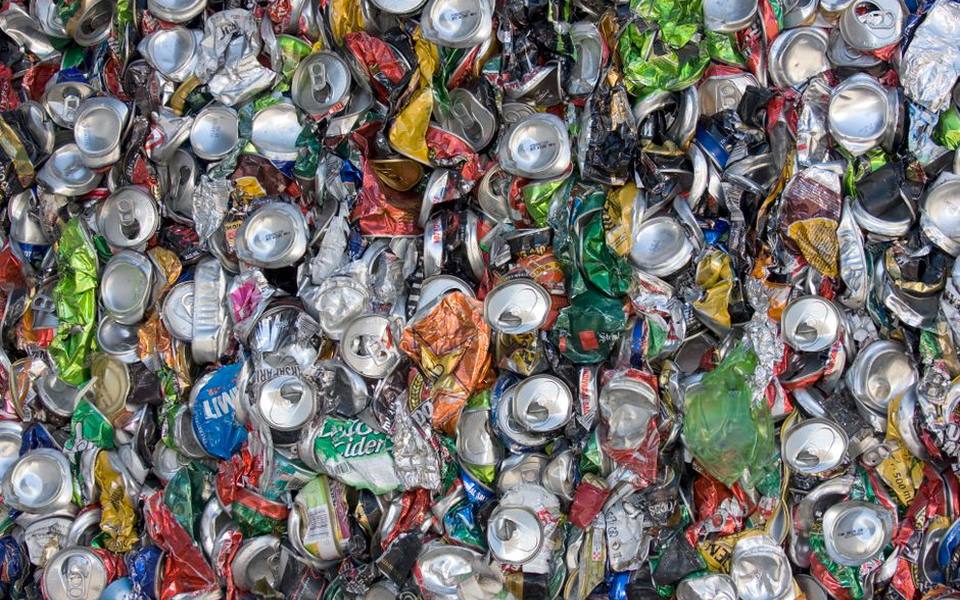
MoneyScrap Aluminum Value Guide: Rims, Cans, and Sheet Metal Prices
-
 Money
MoneySpecialty Scrap Metal Guide: Stainless Steel, Cast Iron, and Lead
-
 Buying
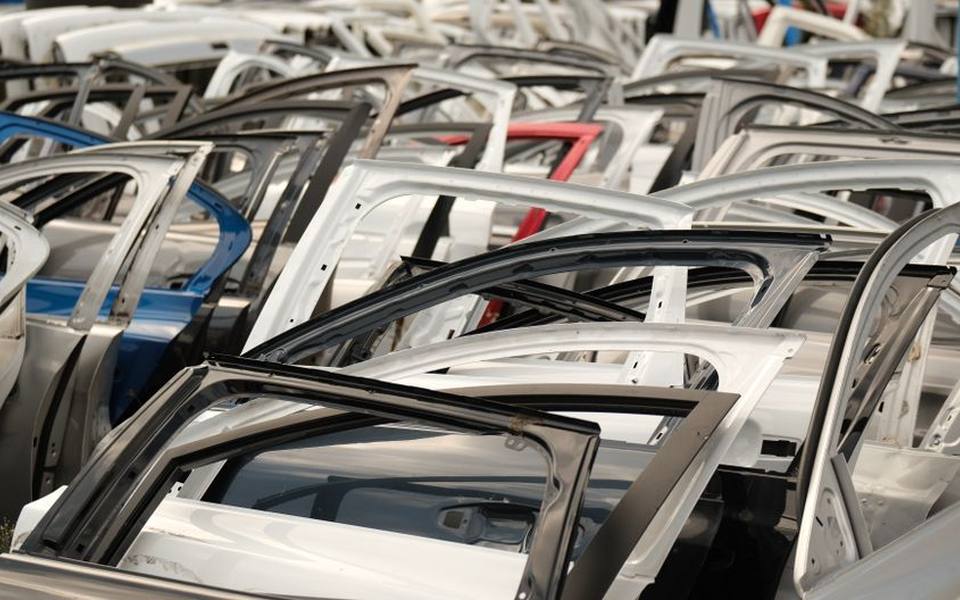
Buying Used vs Rebuilt Vehicle Transmissions and Engines from Junkyards
-
 Money
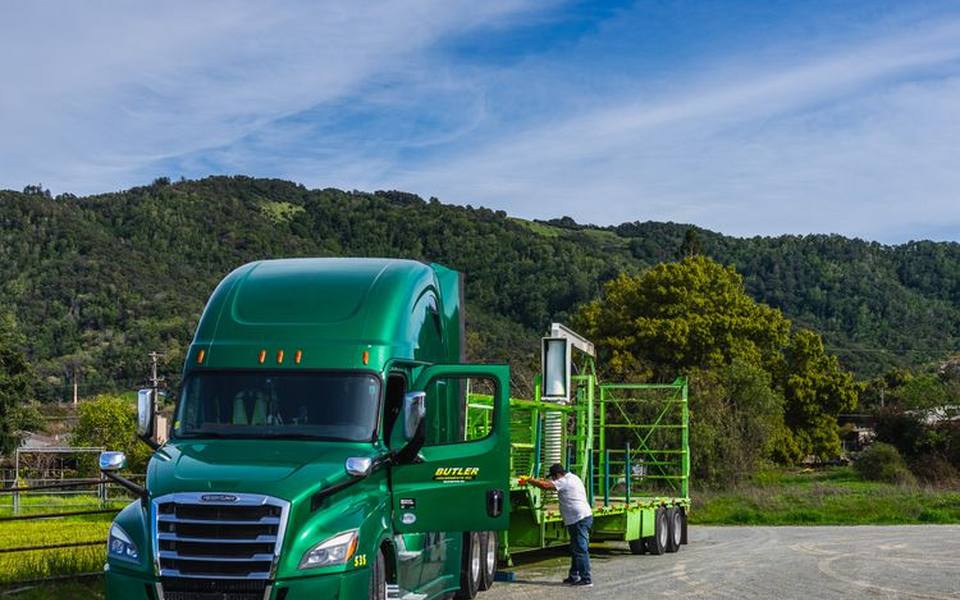
MoneyTow Truck Service Costs and Junkyard Haul-Away Fees Explained
-
 Buying
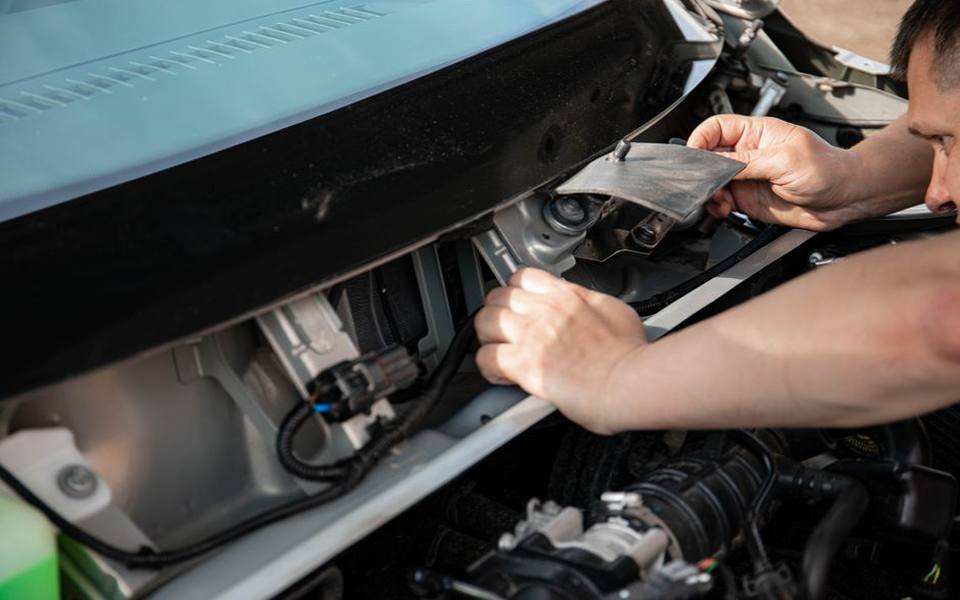
Self-Service Junkyard Parts Guide: Price Lists and Yard Tips