How Insurance and Salvage Vehicle Auctions Actually Work
Major salvage vehicle auction platforms like Copart and Insurance Auto Auctions Inc process millions of vehicles every year that insurance carriers have written off as total losses. When an insurance company settles a claim on a collision, flood, hail, or stolen-and-recovered vehicle, the insurer takes legal possession of the vehicle title. To recoup a portion of the paid claim, the carrier assigns the automobile to an auction yard where licensed dealers, dismantlers, rebuilders, and the general public can bid on the inventory.
These platforms are not typical retail dealerships where you can test-drive a vehicle around the block or negotiate a purchase price with a salesperson. Automobile salvage auctions function as wholesale clearinghouses where hundreds of thousands of damaged, repossessed, and fleet-retired vehicles move through computerized bidding lanes weekly. Every vehicle is sold on a strict as-is, where-is basis, meaning the buyer assumes full financial and mechanical responsibility the exact moment the virtual hammer falls.
While insurance carriers supply the majority of inventory at a wrecked car auction, vehicles also come from bank repossessions, municipal impounds, rental car companies retiring damaged units, and charity donations. Understanding who consigned the vehicle helps reveal its operational history. An insurance-consigned total loss typically reflects an abrupt accident, whereas charity or bank units might suffer from chronic mechanical neglect that presents far fewer visible exterior clues.
Navigating Public Bidding Rules and Broker Requirements
State vehicle licensing laws heavily dictate who is allowed to place a bid at a wrecked auto auction. In several states, a consumer without a dealer, dismantler, or rebuilder license cannot legally purchase a vehicle bearing a salvage certificate directly from auction houses. Other jurisdictions allow public buyers to bid on clean-title units or certain salvage title tiers, but restrict non-repairable or parts-only certificates to licensed automotive recyclers who handle structural scrap.
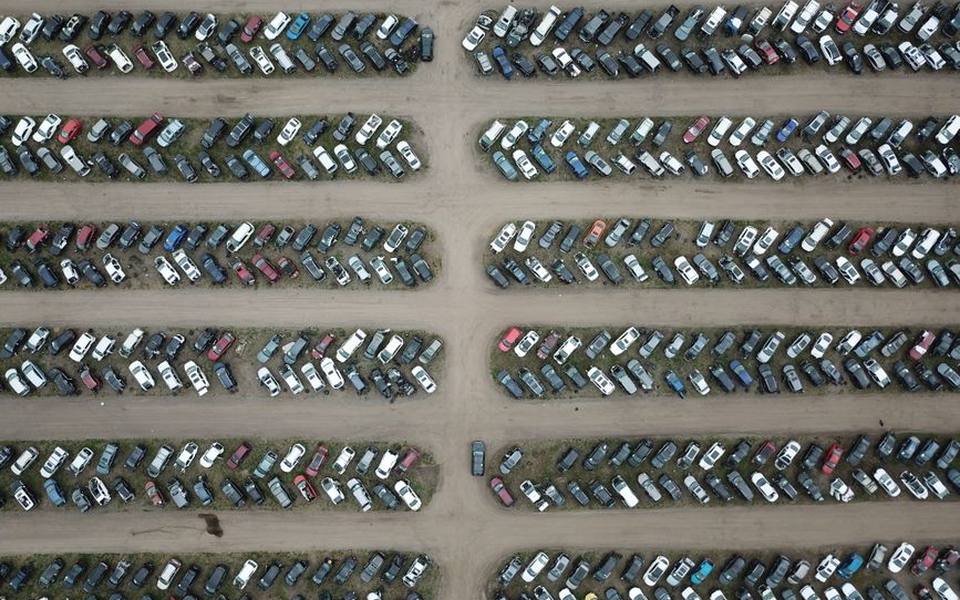
If you live in a state with strict public bidding bans, third-party registered auction brokers serve as intermediaries. These licensed entities allow private individuals to browse Copart car auction listings or insurance auto auction incorporated lanes under the broker’s master license. You register through the broker's platform, deposit a refundable security bond, and submit your bids through their portal while paying their contracted transaction commission.
Working through a broker solves the licensing barrier, but it introduces distinct financial layers and operational friction. A broker typically charges an enrollment fee, a tiered transaction fee per lot won, and document processing fees on top of standard auction house fees. Furthermore, the broker holds the title until payment clears and will legally remain the registered entity until ownership documents transfer through your local motor vehicle agency.
Deciphering Auction Damage Codes and Running Conditions
Every listing in a wrecked vehicle auction includes standard operational indicators, primarily categorized as Run and Drive, Engine Start, or Stationary. Buyers frequently misunderstand these labels. A Run and Drive verification simply means that yard staff managed to start the engine, shift the transmission into forward or reverse gear, and move the car forward under its own power by a few feet during intake. It guarantees nothing regarding highway safety, cooling system integrity, or suspension alignment.
Engine Start designations indicate the powertrain turned over and idled at the time of cataloging, but the vehicle could not be driven forward due to damaged suspension components, missing driveline parts, or locked transaxles. Stationary units showed no sign of engine operation, often due to severed wiring harnesses, catastrophic internal mechanical failure, dead electronics, or missing hybrid battery modules. Always assume a stationary listing requires heavy winching and flatbed recovery.
Damage codes provide an initial summary of the primary and secondary impact zones, such as all-over hail, front end collision, undercarriage scraping, or rollover. However, secondary hidden damage is common on collision lots. A vehicle listed with minor rear damage may have buckled floor pans, popped curtain airbags, or cracked subframes that yard intake photographers do not document in casual walk-around photos.
Calculating Hidden Buyer Fees and Total Acquisition Costs
The winning bid at a salvage vehicle auction is rarely close to the final out-of-pocket invoice. Auction platforms assess a complex, sliding-scale buyer fee based on the vehicle's final hammer price. A bid of two thousand dollars might trigger several hundred dollars in base buyer premiums, environmental handling fees, virtual bidding fees, and gate load-out charges. Paying by credit card typically adds another percentage surcharge compared to wire transfers.
Storage fees represent the most dangerous financial trap for novice buyers at auto salvage auction facilities. Most yards offer a narrow grace window, typically just two or three business days from the auction closing date, to clear payment and remove the vehicle. Once that pickup window lapses, daily storage penalties accrue aggressively, sometimes climbing steeply each day until a private hauler physically clears the security gate.
When estimating your total acquisition cost, add the purchase price, buyer premiums, gate loading charges, broker surcharges, transit hauling fees, and local title processing fees. If you plan to harvest sheet metal and mechanical assemblies for another project, cross-check these acquisition costs against prices at local salvage yards to confirm whether purchasing an entire wreck remains cheaper than buying targeted used assemblies.
Evaluating Photos and Title Brands Remotely
Because most buyers bid on insurance auto auction inc lots from behind a computer screen, photo forensic analysis is a mandatory skill. High-definition zoom tools let you examine wheel gap symmetry, fender-to-door shut lines, and engine fluid spray patterns. If a front-end crash pushed the radiator back into the accessory drive belt or cracked the plastic timing cover, expect substantial internal motor damage even if the listing shows an intact valve cover.
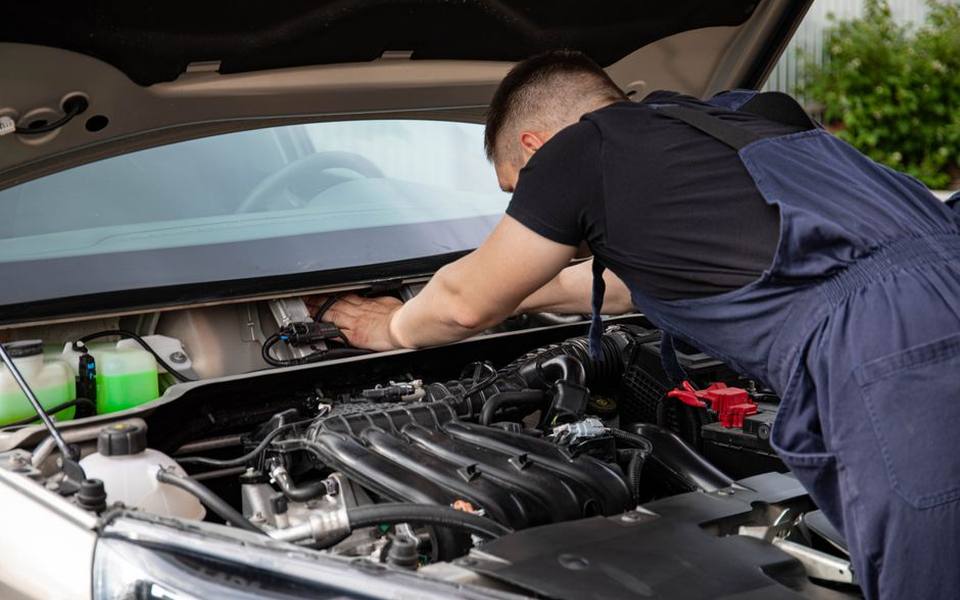
Look for telltale indicators of severe mechanical stress that casual photos mask. Chalk markings on windshields written by adjusters often display crucial clues like bad trans, no oil, or biohazard. Under the hood, check whether fluids were drained or if an oil cooler line sheared off during the collision. An engine that ran dry after an impact might have seized seconds later, rendering a clean-looking motor useless for repair.
Title brands require rigorous state-by-state verification before placing any bid. A salvage certificate generally indicates a vehicle can be legally repaired, inspected, and retitled as rebuilt. In contrast, documents marked as Certificate of Destruction, Parts Only, Non-Repairable, or Junk cannot be retitled or registered for road use in most states under any circumstances. Those designated units belong strictly in dismantling facilities or metal recycling streams.
Arranging In-Person Yard Inspections and Third-Party Previews
Nothing replaces physical, hands-on inspection when dealing with heavily compromised structural metal. Most auction branches permit registered members or licensed previewers to inspect vehicles on the yard during designated operating hours prior to auction day. Yard preview rules typically mandate safety gear like reflective vests, closed-toe steel boots, and strict check-in procedures at the dispatcher desk before walking out to the staging rows.
While on the lot, yard staff will not allow you to put a vehicle on a lift, crawl underneath with floor jacks, or drive it around the yard. However, you are permitted to open doors, pop the hood, inspect fluid dipsticks for coolant contamination, check tire wear patterns, and examine structural frame rails with a strong inspection flashlight. You can also bring a portable jump starter box to test interior electronics and confirm odometer mileage readings.
If you live hundreds of miles away from the branch holding the vehicle, hiring an independent vehicle inspector who specializes in salvage auctions is worth the investment. An experienced local inspector will visit the yard, hook up a diagnostic scanner to check stored trouble codes, verify airbag readiness, examine unibody pinch welds, and provide thirty to fifty detailed photographs highlighting micro-creases in the sheet metal.
Transport, Lot Retrieval, and Gate Pass Procedures
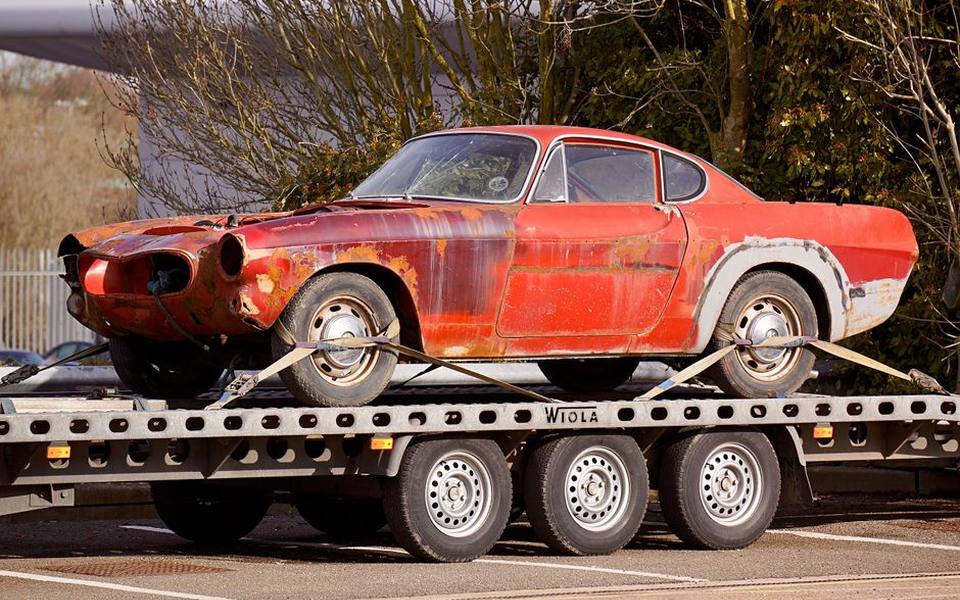
You cannot legally or safely drive a salvage vehicle off an auction lot, even if the lot attendant drove it up to the load-out lane under its own power. Most yards require that every salvage-titled or non-running vehicle leave the premises on a commercial transport trailer, flatbed tow truck, or licensed auto hauler. Yard personnel use heavy industrial forklifts with extended forks to lift and drop stationary vehicles onto flatbeds.
To pick up a won vehicle, you or your hired transporter must present a digital gate pass issued by the auction platform after all payments clear. Transporters must coordinate load times through gate reservation apps to avoid waiting in line for hours outside the yard. Haulers must also carry proper cargo liability insurance and DOT registrations, which the gatehouse verifies before loading damaged machinery.
Forklift handling causes its own distinct round of collateral damage during loading and unloading. Forklift tines frequently crush catalytic converters, bend exhaust pipes, pierce rear differential covers, or puncture transmission pans while moving cars across loose gravel yards. Inspect the underside immediately upon home delivery to determine whether components sustained damage after the initial auction intake photos were captured.
Sourcing Replacement Parts for a Damaged Auction Build
The economic feasibility of repairing a wrecked car hinges entirely on your component sourcing strategy. Buying brand-new OEM structural stampings, headlights, and interior modules directly from dealership parts counters will instantly destroy any projected financial profit margin on a rebuild project. Instead, successful rebuilders track down donor assemblies across secondary commercial networks to keep repair expenses manageable.
Locating matching color-coded doors, clean bumper covers, and uncut wiring harnesses is vastly simplified by working through salvage yards with online parts inventory systems that index donor cars nationwide. Sourcing a complete, pre-assembled front clip from a rear-ended donor vehicle saves dozens of hours of labor compared to purchasing individual brackets, core supports, and cooling modules piecemeal.
For small brackets, interior trim pieces, sensor pigtails, and missing hardware clips, visiting local u-pull-it junkyards offers an economical way to pick identical components directly off retired donor vehicles. Sourcing your own mechanical items ensures you obtain original factory fasteners, which fit much better than cheap aftermarket hardware kits commonly sold online.
Navigating State Rebuilt Title Inspections and Bureaucracy
Transforming an auction vehicle with a salvage certificate into a street-legal, registered daily driver requires surviving a state safety and anti-theft inspection. State highway patrol agencies or specialized department of motor vehicle investigators conduct these inspections to prevent auto theft rings from using salvage titles to wash identities on stolen vehicles or install stolen auto parts into rebuilt frames.

Record-keeping throughout the rebuild process must be meticulous. In most states, you must present original purchase receipts, invoices, and donor vehicle VIN records for every major component replaced, including bumpers, fenders, doors, engines, transmissions, and airbag modules. If you cannot prove the legitimate ownership chain of a replacement door or front subframe, the state inspector can impound the vehicle or deny the rebuilt road title permanently.
Beyond paperwork audits, the vehicle must pass structural, mechanical, and safety equipment standards. Headlights must be properly aimed, horn and wiper systems must function, and airbag dashboard warning lights must complete their factory self-check cycles without lingering diagnostic trouble codes. Only after passing this physical inspection can you surrender your salvage certificate and receive a branded rebuilt title that permits road registration and regular license plates.
Salvage Auctions vs Traditional Junkyard Alternatives
Bidding on platforms like Copart auto auction or insurance auto auction incorporated makes sense if you possess advanced mechanical tools, frame-pulling knowledge, and secure workspace for an extended rebuild. It is also suitable for small specialty shops building track cars, repairing clean modern vehicles with light cosmetic damage, or acquiring late-model drivetrains for engine swap projects where whole-vehicle parts cars are necessary.
However, if your primary goal is merely securing a dependable daily driver on a tight budget or disposing of an old clunker, the auction path is laden with unpredictable financial risks. Many auction projects end up stalled indefinitely once owners discover twisted unibodies, cracked transmission cases, or locked security immobilizers that demand dealer scan tools. In those situations, buyers often cut their losses and sell to junkyards that buy cars for fast cash recovery.
For ordinary vehicle repairs, buying selective used components from established auto dismantlers remains far safer and less capital-intensive than bidding on total loss wrecks. You avoid broker fees, unpredictable forklift yard damage, steep transport logistics, and high-stress title inspection gauntlets, while still getting affordable used automotive components with short-term yard warranties.
Published 2026-09-23 · reviewed with each rebuild, last October 2026.
Find junkyards & auto parts stores near you
The directory lists 48,061 junkyards & auto parts stores by state and city — pick your state or use the “Near me” button in the header.
More guides
-
 Money
MoneyGuide to Scrap Metal Prices and Recycling Rates
-
 Money
MoneyScrap Copper and Brass Pricing Guide: Grades, Cables, and Tubing
-
 Money
MoneyScrap Aluminum Value Guide: Rims, Cans, and Sheet Metal Prices
-
 Money
MoneySpecialty Scrap Metal Guide: Stainless Steel, Cast Iron, and Lead
-
 Money
MoneyHow Much Do Junkyards Pay for Junk Cars? Complete Valuation Guide
-
 Buying
Buying Used vs Rebuilt Vehicle Transmissions and Engines from Junkyards
-
 Money
MoneyTow Truck Service Costs and Junkyard Haul-Away Fees Explained
-
 Buying
Self-Service Junkyard Parts Guide: Price Lists and Yard Tips
-
 Service
Emergency & Heavy-Duty Towing Services: Costs, Flatbeds, and Towing Companies
-
 Buying
How to Navigate Auto Salvage Yards, Pick-Your-Part Lots, and Online Inventories
-
 Buying
Complete Buying Guide to Used Tires and Rims
-
 Money
MoneyHow to Get Cash for Junk Cars: Salvage Values, Title Rules, and Clunker Programs
-
 Buying
How to Buy Cars at Police Impound and Tow Lot Auctions
-
 Money
MoneyScrap Steel and Scrap Metal Prices Guide: Value per Pound and Ton
-
 Money
MoneyDonating a Vehicle to Charity: Tax Deductions, IRS Rules, and Avoiding Scams